


When drivers ask can you turn right on red in Texas, they usually expect a simple yes or no. The truth is more complex because the rule depends on signals, signs, and specific road conditions. Texas follows Texas right turn on red laws, which allow the turn only when you complete a full stop behind limit line and check the road carefully.
Many accidents happen when drivers rush, ignore Texas red light rules, or fail to yield to pedestrians crossing the street. Understanding these laws helps you avoid tickets, protect others, and stay safe at busy Texas intersection safety zones.
Can You Turn Right on Red in Texas? The Law Explained Clearly
Texas allows right turns on red lights when drivers follow the Texas red light rules in the transportation code. You must always follow Texas Transportation Code 544.007(d)(1), which requires drivers to make a full stop behind limit line or stop before crosswalk Texas markings. After stopping, drivers must yield to oncoming traffic and check for pedestrians and cyclists before turning. The law exists to reduce crashes and improve Texas intersection safety in busy cities like Houston, Dallas, and Austin.
Drivers must understand that local areas can enforce local traffic ordinances. This means certain intersections may ban right turns on red entirely. When you see a No Right on Red sign Texas or a No Turn on Red sign, the rule changes. Ignoring these signs leads to costly Texas traffic violation penalties, a traffic citation Texas, and possible Class C misdemeanor Texas charges. These rules work together to protect people walking, driving, or cycling.
Read Also: 10 Most Beautiful States in the US That Will Blow Your Mind
Texas Right-on-Red Rules: What Every Driver Must Understand
Texas law lets drivers turn right on red, but only after completing the complete stop for right turn rule. Many violations happen because drivers commit a rolling stop violation or engage in unsafe right turn behavior. Police look for drivers rolling through red light intersections because this leads to common pedestrian and cyclist crashes. Even if no cars are coming, failing to stop is still illegal.
Heavy traffic, night-time driving, and poor visibility intersections make the turn more dangerous. Texas also banned most red light cameras banned systems, which places more responsibility on police to issue tickets. Drivers must know when right turns are legal and when special rules apply in school zones, construction areas, and high-risk intersections.
Legal Conditions Before Making a Right Turn on Red
The law states you must stop, check for traffic, and yield to pedestrians Texas before moving. This rule prevents right turn pedestrian accidents and protects cyclists using bike lanes. The requirements also apply when turning from the correct lane. A right turn must happen from the turning from rightmost lane only. Failing to follow these steps increases the chance of collisions and fines.
Drivers must also check for red arrow traffic signal lights. A red arrow means turning is illegal even if no sign is posted. Many drivers confuse this signal and end up creating right turn visibility issues or causing lane-entry conflicts. Following the steps ensures legal compliance and reduces risk for everyone at the intersection.
When “No Right on Red” Signs Override the Rules
Some Texas cities use many No Right on Red signs at complicated intersections. These signs override statewide rules because they protect areas with high pedestrian traffic intersections. Locations such as school crossings, entertainment districts, stadium zones, and downtown streets use these restrictions to boost Texas pedestrian safety.
Ignoring these signs leads to improper right turn penalties, court fines, and even increased insurance rates. Cities like Houston have expensive penalties similar to Houston traffic ticket cost guidelines. Drivers must follow these signs even if the road looks clear because enforcement is strict and violations appear on your driving record impact profile.
Is It Always Legal to Turn Right on Red in Texas? Common Exceptions
Some intersections do not allow right turns on red even without signs. School-zone lights, railroad crossings, and protected turn arrows limit driver options. These exceptions help avoid crashes caused by misjudging vehicle speed or misunderstanding traffic patterns. Drivers must follow these exceptions for safety and legal compliance.
Even during flashing red lights or temporary signals, drivers must treat the intersection like a stop sign. This includes checking all lanes, observing cyclists, and watching for people crossing late. Failing to follow these exceptions leads to illegal right turn consequences and points on your driving record.
High-Risk Intersections Where Right Turns on Red Are Restricted
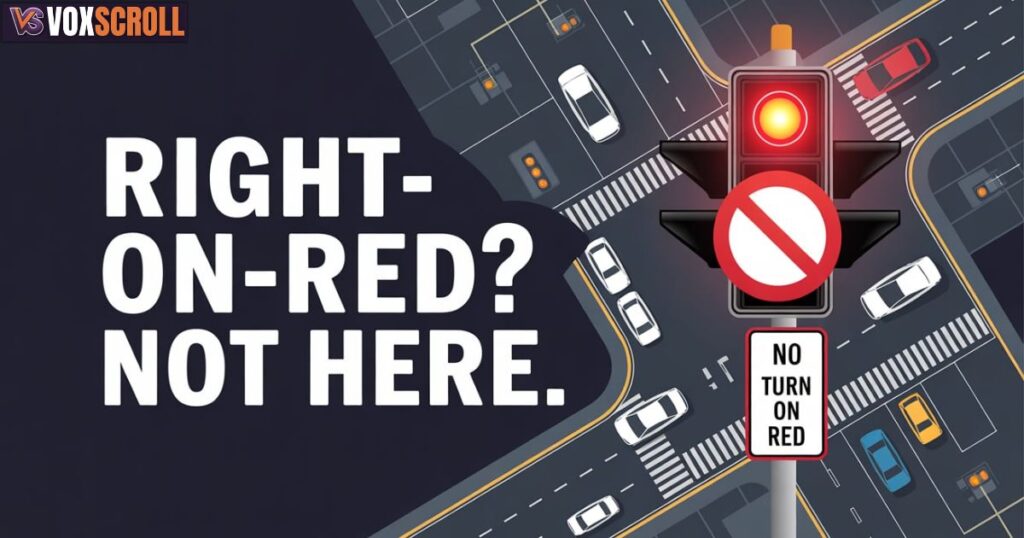
Texas has many intersections labeled as high-risk due to crash history, low visibility, or heavy foot traffic. These locations often place No Right on Red signs to reduce danger. Engineers study intersection crash evidence to determine where these restrictions prevent injuries.
Downtown Houston, Dallas Deep Ellum, Austin’s Sixth Street, and San Antonio tourist zones contain multiple intersections with limits on right-on-red turns. These areas protect visitors, cyclists, and people unfamiliar with traffic patterns. Turning too early or without full attention leads to injured by illegal right turn cases and claims for compensation.
The Hidden Dangers of Turning Right on Red in Texas
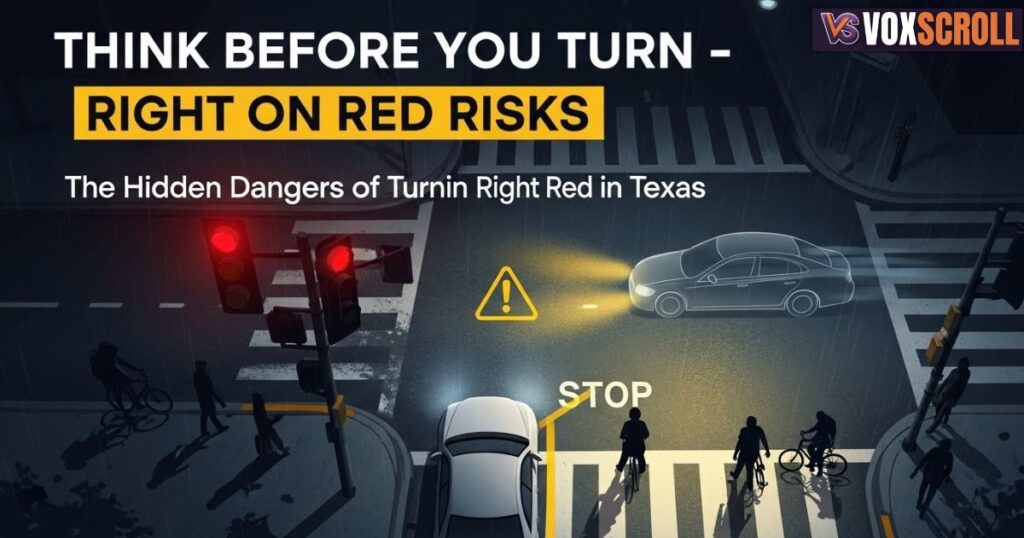
Right-on-red turns create unique dangers even when legal. Drivers often look left for cars and forget to look right, which causes many right turn pedestrian accidents. This behavior ignores people entering crosswalks, cyclists riding straight, and vehicles approaching from unusual angles. Many crashes begin with a simple distraction or a moment of impatience.
Some of the most serious crashes involve driver negligence such as speeding, late braking, or misreading signals. Night driving, bad weather, or glare from headlights reduces visibility and increases risk. The safest approach is slowing down early, completing a full stop, and scanning each lane carefully.
Read Also: Fun Fact About Miami Florida Verenigde Staten
Pedestrian & Cyclist Safety During Right-on-Red Turns
Pedestrian safety remains a major concern in Texas because turning drivers often underestimate crosswalk activity. People walking may have a green signal even when drivers face a red light. This creates a collision risk. Paying attention prevents injuries and supports Pedestrian safety Texas guidelines.
Cyclists face similar dangers because they approach from the right side where drivers rarely look. Many crash reports show that cyclists move straight through intersections while a car attempts a right turn. The law requires drivers to watch for cyclists and avoid blocking bike lanes during red-light stops.
Consequences of Improper Right Turns on Red in Texas
Breaking right-on-red rules leads to large fines, court costs, and insurance problems. Violations include rolling stops, ignoring signs, or failing to yield. These offenses lead to a traffic citation Texas, followed by fees, license points, and proof of violation on your motor vehicle record. Insurance companies might apply an insurance rate increase after reviewing your driving history.
Failing to follow turn rules also creates civil liability in accidents. Victims can file right turn accident claims or seek car accident compensation. These claims require evaluating accident documentation, crash footage, photos, and witness statements. Drivers must follow the law to avoid costly lawsuits.
Penalties, Tickets, and Class C Misdemeanor Details
Improper right turns fall under Class C misdemeanor Texas penalties when they lead to dangerous behavior. Courts may impose fines and require defensive driving courses. Violations also create long-term insurance premium increase risks because insurance companies track red-light offenses.
A conviction may include court fees, red light fine amount charges, and mandatory reporting. Some Texas lawyers say these tickets often cause financial stress because penalties rise for repeat violations.
Rolling Stops vs. Full Stops: Why Drivers Get Ticketed
Many drivers make the mistake of slowing down but not fully stopping. This action is known as rolling through red lights and creates dangerous situations. Officers issue citations because rolling stops reduce reaction time and create instant risks for pedestrians and cyclists. Even slight motion violates the complete stop requirement under Texas law.
A full stop must occur behind the line or before the crosswalk. This ensures visibility and time to judge traffic. Rolling stops break the law, harm safety, and result in a traffic citation Texas with financial consequences.
How Right-on-Red Mistakes Cause Accidents in Texas
Right-on-red mistakes lead to many Texas crashes each year. Many involve poor visibility intersections where drivers cannot see approaching vehicles. Others involve misjudgment of speed, distractions, or impatience. Crash reports show that drivers often look only left and forget about people crossing from the right.
Some crashes also involve cyclists riding straight when a car turns across their path. Police collect police report details to determine fault, gather photos, and review statements. Drivers must avoid rushing turns and must focus on all directions before moving.
What to Do After an Accident Caused by a Right Turn on Red
After a crash, injured people should seek medical care, document the scene, and gather contact information. These steps protect injury claims and ensure proper evidence collection. Taking photos, recording witness accounts, and saving records helps when filing insurance claims.
Victims must file a police report and request the document later. Drivers should also report injuries, car damage, and financial losses. These details support lost wage claims and help victims seek fair compensation.
Understanding Liability in Texas Right-on-Red Crash Claims
Texas uses Modified comparative negligence Texas rules to determine fault. If a driver is 51% or more at fault, they cannot claim compensation. This system means drivers must provide strong accident evidence when proving what happened. Lawyers use footage, dash-cam files, intersection maps, and witness statements.
Liability also depends on signs, signals, and driver actions. Ignoring a No Right on Red sign Texas or failing to stop makes a driver more liable. Victims must show proof of negligence, injuries, and financial loss.
When to Contact a Texas Car Accident Lawyer After a Right-on-Red Crash
Victims should contact a Texas car accident attorney or Texas personal injury lawyer if injuries are severe, evidence is unclear, or insurance companies deny claims. Many firms, such as Angel Reyes & Associates, offer free legal consultation and may work as a no win no fee injury lawyer. These lawyers help with gathering evidence, handling insurance negotiations, and securing compensation.
Lawyers also help victims request crash documents, deal with medical bills, and negotiate settlements. Professional support is useful when facing insurance disputes or proving driver negligence.
Conclusion
Right turns on red remain legal in Texas, but only when drivers follow every rule, stop completely, and respect signs. Understanding the law prevents red light traffic violations, injuries, and long-term financial losses. Safe driving protects everyone on the road, from pedestrians to cyclists to families in cars.
Frequently Asked Questions
1. Can you turn right on red in Texas without stopping?
No. Even though can you turn right on red in Texas is often answered yes, the law requires a complete stop first. You must check traffic, look for signs, and make sure the intersection is safe before turning.
2. When can you not turn right on red in Texas?
You cannot turn when a No Right on Red sign is posted, when a red arrow appears, or when pedestrians are crossing. So the answer to can you turn right on red in Texas depends on posted rules and road conditions.
3. Do all intersections allow right turns on red in Texas?
No. Busy intersections, school zones, and areas with limited visibility may restrict the turn. Always check signs because can you turn right on red in Texas changes based on location.
4. What is the fine for turning right on red illegally in Texas?
Penalties vary, but most cities issue fines for unsafe or illegal turns. Violating can you turn right on red in Texas rules can also add points to your driving record.
5. Are right-on-red rules the same across all Texas cities?
Most follow state law, but local ordinances may differ. That’s why can you turn right on red in Texas may have unique limits in areas with high pedestrian traffic or heavy congestion.

Welcome to VoxScroll! I’m an AI-Powered SEO Expert, and Content Writer with 3 years of experience.
I help websites rank higher, grow traffic, and look amazing. My goal is to make SEO and Web design Simple and effective for everyone.
Let’s Achive more together!