

Kleptotoxicity is a growing scientific concept that explains how toxic chemicals move through ecosystems by theft-like transfer between organisms. Instead of producing poisons themselves, some plants, insects, or animals absorb environmental toxins from polluted soil, water, or food and store them in their bodies. This hidden process affects human health, wildlife survival, and overall ecological balance.
Researchers link kleptotoxicity to rising exposure risks in food chains, especially where industrial waste and pesticides are common. Understanding this phenomenon helps scientists track bioaccumulation, predict long-term health impacts, and design safer environmental policies before these stolen toxins silently harm entire populations.
What Is Kleptotoxicity? A Clear Scientific Definition
Kleptotoxicity describes harm caused when toxins are transferred, reused, or accumulated across systems. In human health, kleptotoxicity explains chemical exposure risks that do not begin in the body yet end there. Think of borrowed poison. It moves from product to person through contact, air, or food.
The idea mirrors biological kleptotoxicity in nature, where organisms steal toxins for defense. Humans do not intend this theft. Still, exposure happens through toxic consumer products, environmental toxins, and household chemical hazards. Over time, this leads to long-term toxin exposure with real consequences.
Read Also: Aagmqal Explained: 15 Powerful Truths Behind the Myths & Realities
How Kleptotoxic Chemicals Enter the Human Body

Toxins enter through breathing, eating, and skin contact. Indoor air carries residues from cleaners and sprays. Food absorbs chemicals during storage. Skin absorbs synthetic chemicals in cosmetics faster than many expect. This explains the health risks of daily chemical exposure.
Inside the body, chemicals may mimic hormones. These endocrine disruptors interfere with balance. Research shows how chemicals affect human hormones even at low doses. The danger grows when exposure repeats daily. Accumulation matters more than a single event.
Common Sources of Kleptotoxic Exposure in Daily Life
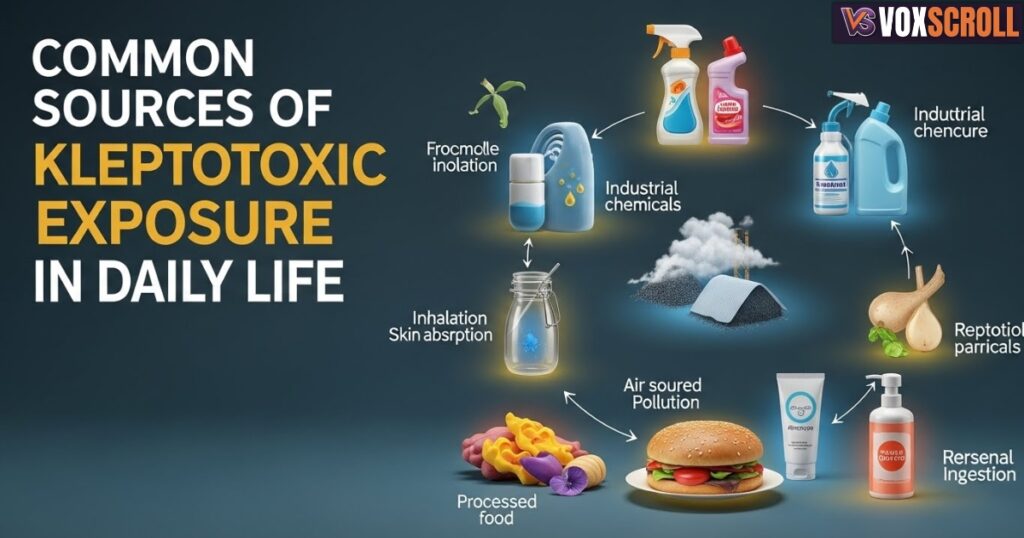
Homes contain silent sources. Plastics release BPA in food packaging into meals. Bathrooms hold lotions and makeup with stabilizers. Kitchens hide residues from cleaners. These are classic toxic substances in household items that feel normal.
Outside the home, pollution adds pressure. Environmental pollution increases toxin accumulation in air and water. This reflects environmental toxicology and ecological contamination seen at scale. What harms ecosystems can also harm people through bioaccumulation.
Read Also: Matty Cardarople Net Worth: 12 Fascinating Facts About His Career, Life & Earnings
Short-Term vs Long-Term Health Effects of Kleptotoxicity
Short-term effects appear mild. Headaches, skin irritation, and fatigue occur. People ignore them. The body copes briefly. This masks deeper harm linked to chronic health effects of chemicals.
Long-term effects emerge slowly. Hormonal disorders, immune stress, and neurological changes appear. Studies connect long-term toxin exposure with metabolic disease. Children face the impact of toxic chemicals on children more strongly due to growth and development.
| Exposure Duration | Common Effects | Risk Level |
| Short-term | Irritation, headaches | Moderate |
| Long-term | Hormonal disruption, chronic illness | High |
Vulnerable Groups Most at Risk (Children, Pregnant Women, Elderly)
Children absorb more per pound of body weight. Their organs are developing. This raises sensitivity to toxic substances in ecosystems that enter homes. Pregnant women pass chemicals to fetuses. The effects may last a lifetime.
Older adults face slower detox systems. Medications interact with toxins. The result is compounded risk. Public health links these patterns to economic inequality and access gaps. Exposure is not equal across communities.
Signs and Symptoms of Kleptotoxic Chemical Exposure
Early signs confuse people. Brain fog, mood changes, and rashes appear. Doctors may miss patterns. These are warnings tied to health risks of daily chemical exposure.
Later signs persist. Hormone imbalance, sleep disruption, and immune weakness develop. At this stage, removal of exposure helps but recovery is slower. Awareness shortens this delay.
How to Identify Kleptotoxic Products Before Buying
Labels hide truth behind marketing. Words like “fresh” or “clean” distract. Real safety requires identifying harmful ingredients on labels and checking databases. This builds consumer awareness and product safety.
Trust grows with transparency. Brands that disclose testing matter. This supports product safety regulations and regulation of hazardous consumer products. Choose safer alternatives to chemical-based products when possible.
| Label Clue | What It Often Means |
| Fragrance | Hidden chemical mix |
| Preservative | Hormone-active compound |
| Plastic code 3 or 7 | Higher BPA risk |
Practical Ways to Reduce Kleptotoxic Exposure at Home and Work
Small changes add up. Improve ventilation. Wash hands after product use. Reduce plastic heating. These are proven ways to reduce toxin exposure at home without lifestyle loss.
Workplaces matter too. Office air, printers, and cleaners contribute. Simple policies reduce risk. Collective action protects health and productivity.
Government Regulations and Why Consumer Awareness Matters
The U.S. regulates chemicals through agencies, yet gaps remain. Some substances enter markets before testing. This creates governance failure and misuse of power through lobbying. History shows corporate fraud and abuse of public resources delay reform.
This mirrors human systemic corruption (metaphorical use). Like kleptocracy, unchecked systems cause institutional decay. The impact of corruption on society includes public trust erosion. Accountability improves safety through accountability and transparency in governance.
FAQs About Kleptotoxicity
1. What is kleptopharmacophagy?
Kleptopharmacophagy is when animals steal and consume substances from other organisms for their chemical benefits, like toxins or medicines.
2. What does kleptoparasitic mean?
Kleptoparasitic describes organisms that steal food or resources from others instead of gathering their own.
3. What do kleptomaniacs usually steal?
Kleptomaniacs usually steal items they don’t need for personal use, often small valuables like cosmetics, jewelry, or snacks.
4. What’s an example of kleptoparasitism?
An example of kleptoparasitism is a bird, like a gull, stealing food from another bird mid-flight.
5. How can understanding kleptotoxicity help environmental conservation?
Understanding kleptotoxicity helps conservation by revealing how toxins move through food chains, allowing better protection of ecosystems.
6. Are there any positive applications of kleptotoxic principles?
Some positive applications of kleptotoxic principles include using stolen plant toxins in medicine or pest control strategies.
A Final Thought
Kleptotoxicity connects homes, bodies, and systems. It links chemical ecology to public policy. Awareness reduces harm. Better choices restore balance. Science lights the path forward.

Ali Hussnain is a digital content writer at VoxScroll. He covers celebrity biographies, social media personalities, entertainment news, and trending online topics. His writing focuses on clear information, reliable sources, and reader-friendly content.