

In today’s digital age, the rise of Tusehmesto has triggered serious concerns for users across the USA. Many people are unaware of the hidden cybersecurity risks linked to this tool, which can lead to personal information theft and online scams if ignored. Reports show that suspicious background processes and unauthorized access often follow its use, highlighting the urgent need for digital safety awareness.
Understanding the warning about Tusehmesto is critical because early recognition of red flags / warning signs can prevent potential financial losses, malware infections, and compromised personal data. Staying informed ensures stronger risk prevention in an increasingly unsafe online environment.
Why This Warning About Tusehmesto Matters Now
Tusehmesto has emerged as a growing concern in the digital world. Users frequently report unusual background processes and suspicious activities on devices after interacting with it. Ignoring these signals can lead to data privacy risk, financial fraud, and personal information theft. The warning about Tusehmesto is particularly urgent now because many people remain unaware of cybersecurity risks in digital spaces.
Recent reports show that social engineering campaigns connected to Tusehmesto are on the rise. Users face suspicious downloads, adware / PUP, and phishing campaigns, while poor user vigilance amplifies the risk. Understanding this warning is crucial for risk prevention and ensuring digital safety.
Read Also: Application Control Engine (ACE): Modern Application Security
What Is Tusehmesto? Understanding Its Purpose and Risks
Tusehmesto often appears as a harmless tool, but it can include malware distribution, browser hijacking, or system optimization scams. Its true purpose is sometimes disguised in fake productivity apps or micro-transactions traps. Experts classify it as an informational hazard, which can compromise digital identity / communities and allow unauthorized access.
The risks extend beyond technology. Online hoax campaigns and challenges in misinformation awareness make users vulnerable to clickbait tactics. Device resource drain, extension vulnerabilities, and hidden subscriptions can cumulatively threaten digital safety and user engagement / interpretation.
How Tusehmesto Spreads: Digital and Practical Contexts
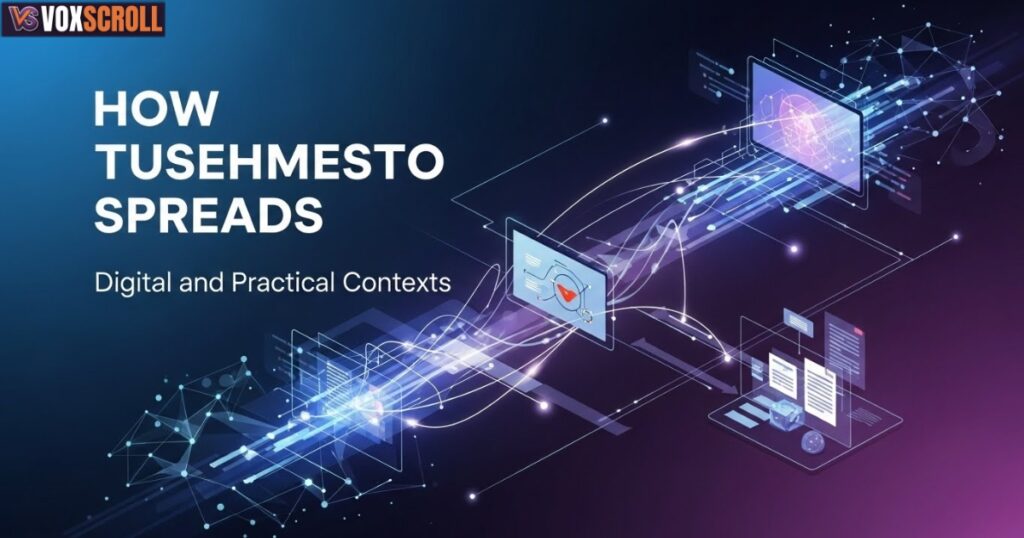
Tusehmesto propagates mainly via email campaigns / social media ads, suspicious links, and unverified claims on online forums. Phishing networks and online scams / fraudulent websites make detection difficult for users lacking digital literacy / online awareness. Social media trends and search traffic can increase digital exposure significantly.
Offline, it can spread through shared devices or weak mobile security. Case studies show that even a single careless download can cause virus vs PUP conflicts, malware / ad injection, or browser hijacking. Users must combine digital awareness with physical device hygiene for proper risk management.
Read Also: Kathleen Nimmo Lynch Celtics Story: Truth Behind the 2022 NBA Scandal
Key Red Flags You Must Not Ignore
The red flags / warning signs of Tusehmesto include sudden device resource drain, pop-ups asking for sensitive data (passwords, credit card info), and spoofing notifications. Users often encounter suspicious apps or hidden charges / fleeceware appearing without consent. Recognizing these early is essential for safety guidelines.
Other signs include suspicious downloads, malware infection, and abnormal background processes. Tracking online behavior monitoring, URL reputation checks, and community feedback can reveal fake warnings. Acting promptly helps prevent personal data theft or financial fraud.
Hidden Risks and Potential Dangers of Tusehmesto
Hidden risks of Tusehmesto include adware / PUP, unauthorized access, and data leakage. Even after removal, browser hijacking or malware / ad injection may persist. Experts note that exploited device permissions can compromise both private files and online accounts.
Long-term dangers include financial fraud, personal information theft, and online scams / fraudulent websites. Case studies highlight losses through micro-transactions and system optimization scams. Using anti-malware software (Malwarebytes, Norton) and safe mode boot scans can minimize these hidden threats.
Is Tusehmesto Dangerous or Misunderstood? Expert Opinions
Experts classify Tusehmesto as a mix of verified harm vs potential risk. Some incidents involve malware infection, while others are unverified claims. Authorities like WHO, CDC, and EPA advise caution and consistent user vigilance.
Experts suggest monitoring suspicious links, sensitive data (passwords, credit card info), and financial account monitoring. Proper antivirus protection, HTTPS verification, and two-factor authentication (2FA) can reduce risks. Focus on risk management rather than panic.
Read Also: Melissa Esplana: Facts About Dusty Baker’s Wife You Must Know
Common Misconceptions About Tusehmesto
Many assume Tusehmesto is harmless or merely digital culture curiosity. Some believe safe mode scan removes it entirely, which is misleading. Fake warnings promoted through online hoax campaigns also confuse users.
Misconceptions include assuming antivirus software alone guarantees safety. Ignoring extension vulnerabilities, malware / ad injection, and browser hijacking risks can be dangerous. Proper digital literacy / online awareness and community feedback help differentiate verified harm vs potential risk.
Signs You Are Affected by Tusehmesto
Affected users notice suspicious downloads, device resource drain, pop-ups requesting sensitive data, or new hidden subscriptions. System scan alerts from anti-malware software (Malwarebytes, Norton) or unusual background processes also indicate risk.
Other indicators include compromised digital identity / communities, unusual email campaigns / social media ads, and alerts from reporting platforms (Google Safe Browsing, FTC). Early recognition allows preventive measures and mitigates data harvesting threats.
Preventive Measures: Protect Yourself From Tusehmesto
Minimizing risks involves updating devices, running safe mode boot, and using antivirus / ad blockers. Digital literacy / online awareness helps users spot clickbait tactics, suspicious links, and malware distribution.
Limiting device permissions, monitoring financial account monitoring, and checking URL reputation checks reduce exposure. Avoiding fake warnings, misleading offers, and online speculation strengthens cybersecurity awareness and risk prevention.
How to Remove or Neutralize Tusehmesto Risks
Start with a system scan using anti-malware software (Malwarebytes, Norton) and safe mode scan. Reset passwords, enable two-factor authentication (2FA), and clear background processes tied to malware / ad injection.
Reporting to authorities (cybercrime units, consumer protection) helps track malware distribution and phishing campaigns. Tools like CCleaner / Norton Utilities optimize devices and remove hidden subscriptions. Regular risk prevention keeps users safe.
Data Privacy, Financial, and Workplace Implications
Tusehmesto affects sensitive data (passwords, credit card info) and causes financial fraud. Users may face micro-transactions, hidden charges / fleeceware, or personal data theft. In workplaces, unauthorized access can expose corporate networks, raising cybersecurity risks.
Protective steps include financial account monitoring, antivirus protection, and URL reputation checks. Following digital literacy / online awareness prevents online scams / fraudulent websites and data leakage in both personal and professional contexts.
Role of Authorities, Experts, and Regulations
Authorities like WHO, CDC, and FTC track Tusehmesto incidents. Cybersecurity experts analyze digital exposure, issue malware warnings, and provide risk management advice. Reporting through reporting platforms (Google Safe Browsing, FTC) informs users promptly.
Experts recommend combining antivirus software, digital literacy / online awareness, and community feedback. Proper enforcement, online behavior monitoring, and risk prevention reduce phishing / malware sites and unsafe downloads.
Community Awareness and Education on Tusehmesto
Educating users boosts digital literacy and cybersecurity awareness. Online forums, social media discussion, and informational hazard alerts provide insights into online scams / fraudulent websites. Awareness campaigns reduce user confusion and misinformation.
Community engagement also identifies suspicious links, phishing campaigns, and malware distribution. Sharing experiences via reporting authorities strengthens digital culture and promotes user vigilance.
Future Outlook: Will Warnings About Tusehmesto Continue?
Experts predict Tusehmesto warnings will persist due to evolving cybersecurity threats and suspicious downloads. As digital exposure grows, malware / ad injection and hidden subscriptions remain risks.
Continued digital literacy / online awareness, monitoring search traffic / social media trends, and adopting risk prevention strategies are vital. Users should monitor financial accounts, stay alert to phishing networks, and avoid potential scams.
Lessons From the Tusehmesto Warning
The key lesson is that Tusehmesto poses both verified harm vs potential risk. Ignoring red flags / warning signs, device resource drain, or malware infection can result in personal information theft and financial fraud.
Following preventive measures, using anti-malware software, and adhering to safety guidelines protects assets. Combining digital literacy / online awareness with community feedback prevents exposure to phishing / malware sites and online scams / fraudulent websites.
Strong Conclusion: Take the Warning About Tusehmesto Seriously
Tusehmesto is a serious digital threat affecting personal, financial, and professional domains. By recognizing red flags / warning signs, adopting preventive measures, and maintaining user vigilance, users can protect their digital identity / communities.
Ignoring this warning about Tusehmesto increases data privacy risk, financial fraud, and malware / ad injection exposure. Strong cybersecurity awareness, proper risk management, and consistent monitoring are essential. Take this warning about Tusehmesto seriously to safeguard yourself and your devices.
FAQs About “Warning About Tusehmesto”
1. What does the warning about Tusehmesto actually mean?
The warning about Tusehmesto means users may face cybersecurity risks, data privacy threats, and malware / ad injection if they interact with it.
2. Is the warning about Tusehmesto legitimate?
Yes, the warning is legitimate, as experts have reported suspicious downloads, phishing campaigns, and potential unauthorized access.
3. Is Tusehmesto always dangerous?
Tusehmesto is not always harmful, but it carries verified harm vs potential risk depending on user interaction and device security.
4. Why is there limited information about Tusehmesto?
Limited information exists because Tusehmesto is relatively new, spreads via social engineering, and many claims are unverified or speculative.
5. How can I stay safe if I encounter Tusehmesto?
Stay safe by avoiding suspicious links, using antivirus software, enabling two-factor authentication (2FA), and practicing digital literacy / online awareness.
6. Will the warning about Tusehmesto be resolved in the future?
Warnings may persist as cybersecurity threats evolve, so ongoing user vigilance and risk prevention are essential.
7. What should I do if I clicked a Tusehmesto link?
Immediately run a system scan, reset passwords, monitor financial accounts, and report to authorities or reporting platforms.
8. Can Tusehmesto affect my personal or financial data?
Yes, interacting with Tusehmesto can lead to personal information theft, financial fraud, and exposure to hidden subscriptions / fleeceware.
9. Are there tools to detect or remove Tusehmesto?
Using anti-malware software (Malwarebytes, Norton), running safe mode scans, and checking URL reputation are effective ways to remove or prevent Tusehmesto risks.
10. How do experts classify Tusehmesto?
Experts classify Tusehmesto as a mix of verified harm vs potential risk, posing both digital and psychological hazards in online communities.

Welcome to VoxScroll! I’m an AI-Powered SEO Expert, and Content Writer with 3 years of experience.
I help websites rank higher, grow traffic, and look amazing. My goal is to make SEO and Web design Simple and effective for everyone.
Let’s Achive more together!