

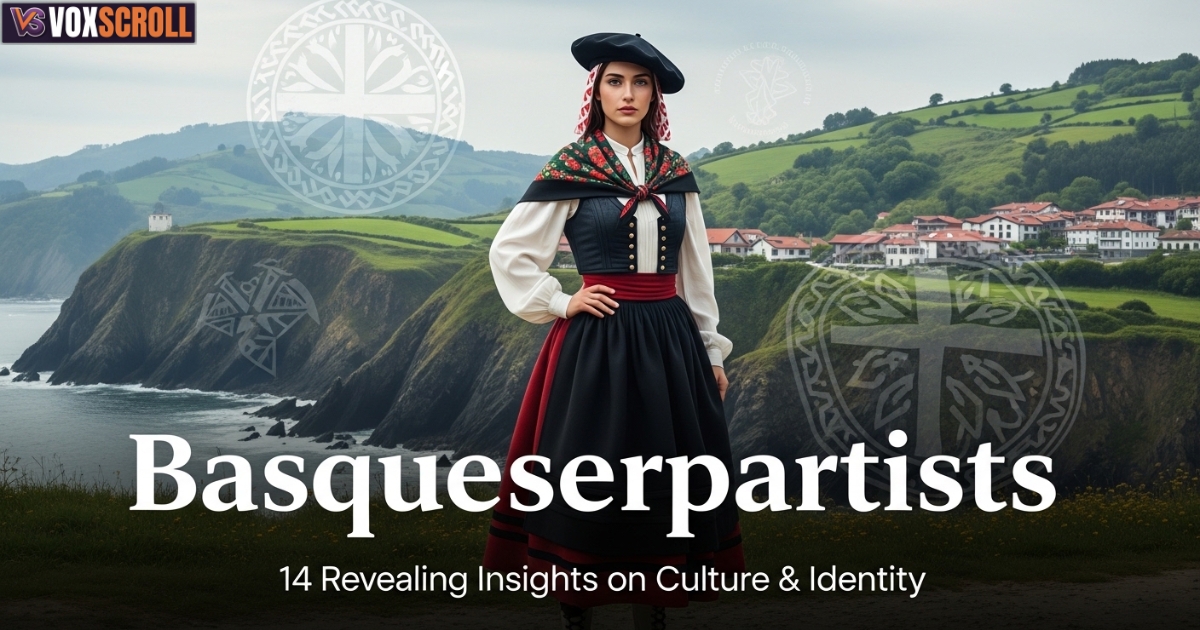
The Basqueserpartists represent a unique blend of cultural activism, art, and political awareness, dedicated to preserving Basque identity and ensuring heritage continuity. Rooted in the rich history of the Basque people, this movement combines traditional values with modern creativity to defend language, customs, and regional traditions. Over decades, Basqueserpartists have used music, literature, visual arts, and storytelling to promote cultural preservation, transforming resistance into meaningful expression.
Their efforts highlight the resilience of a community that has faced suppression yet continues to celebrate its identity through festivals, educational initiatives, and global outreach. Today, Basqueserpartists embody cultural survival in a rapidly changing world, inspiring new generations.
Who Are the Basqueserpartists?
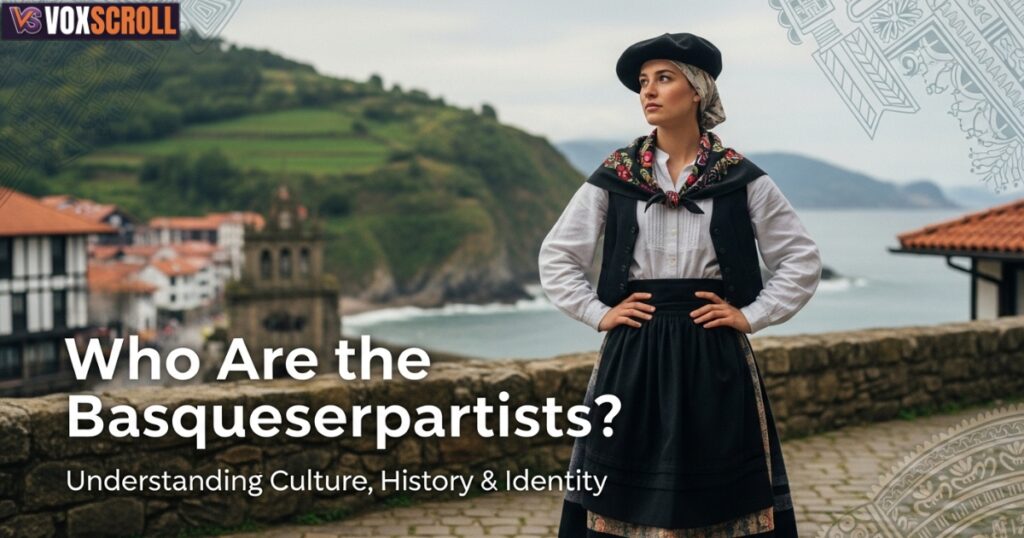
The Basqueserpartists are individuals committed to defending Basque identity through cultural activism, artistic expression, and political awareness. Unlike a single movement, they form a network united by shared goals: protecting heritage continuity and ensuring cultural preservation. Their philosophy embraces fluid identity, allowing for creative and political flexibility while remaining deeply rooted in tradition.
Historically, it emerged as a response to oppression, turning resistance into culture. They combine artistic expression, peaceful activism, and social storytelling to maintain cultural survival. Whether in literature, music, or visual arts, their impact demonstrates how identity and culture can coexist with resistance and innovation.
Read Also: Stay Always Updated With TXEPC: Proven Ways for Smarter Decisions
Understanding the Basque People and Their Roots
The Basque people inhabit the Basque region spanning northern Spain and southwestern France. They speak the Euskara language, a unique tongue unrelated to other European languages. This linguistic uniqueness underpins Basque identity, influencing music, festivals, and daily life. Traditional sports, culinary practices, and Basque festivals also reinforce a collective sense of belonging.
Basque culture prioritizes heritage continuity through cultural preservation. Families pass down stories, customs, and values across generations. The strong sense of place and tradition encourages cultural resilience, making the Basque region a rare example of long-term cultural survival in Europe.
Historical Rise of the Basqueserpartist Spirit
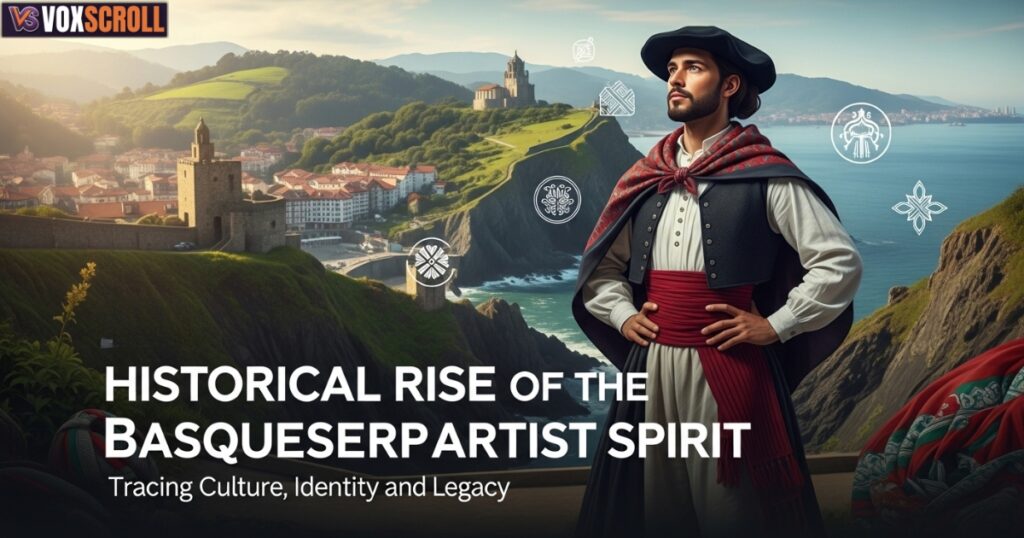
The Basqueserpartists history is shaped by centuries of regional struggle. Early fueros (traditional Basque laws) allowed local self-rule, fostering a sense of autonomy movements. Over time, central governments reduced these rights, prompting political resistance and shaping the modern Basqueserpartist identity.
The Franco dictatorship further suppressed Basque identity. Public use of the Euskara language was forbidden, and cultural expressions were restricted. These pressures gave rise to both peaceful activism and, occasionally, violent struggle, showing how identity protection became intertwined with politics and survival.
Read Also: Why the Final Year of University is Your Most Important Professional Step
Core Beliefs, Philosophies, and Ideologies
Basqueserpartist philosophy emphasizes cultural activism, decentralization, and identity protection. They embrace fluid identity, allowing individuals to explore multiple creative and political avenues while honoring historical memory. Their ideology prioritizes reflection, critical thinking, and a long-term vision for cultural preservation.
At its core, the movement believes in combining art as resistance with civic engagement. Collaboration is decentralized, promoting cross-cultural collaboration and community-driven efforts to strengthen Basque culture. These principles make Basqueserpartists both resilient and adaptive in a globalized world.
Language and Cultural Identity as Resistance Tools
The Euskara preservation is central to Basqueserpartists’ work. Language serves as a tool for cultural resistance, allowing them to maintain a unique voice amid political suppression. Music, literature, and oral traditions transmit historical memory and local narratives to younger generations.
Cultural identity also manifests in everyday practices. Basque motifs (lauburu, ikurriña) appear in clothing, art, and architecture. By embedding tradition in modern life, Basqueserpartists reinforce heritage continuity, ensuring that Basque culture persists despite external pressures.
Basqueserpartists and Political Resistance

The ETA independence movement historically defined political resistance for some Basqueserpartists. Yet, many pursued peaceful activism, focusing on regional politics, elections, and advocacy rather than violence. This dual approach illustrates how Basqueserpartist identity balances cultural resistance with political engagement.
International relations and diplomacy also play a role. By emphasizing democracy and self-governance, modern Basqueserpartists gain global understanding. This political awareness complements artistic expression, showing that identity protection spans both culture and civic participation.
Read Also: Elaine Boeheim: 14 Powerful Facts About Jim Boeheim’s First Wife
Art, Music, and Literature: Alternative Expression
Art as resistance defines how Basqueserpartists communicate. Murals, literature, and music became safe avenues to express cultural activism when political avenues were restricted. Contemporary Basque creators use visual arts, music, dance, literature to preserve history and inspire identity awareness.
Street art, mixed-media installations, and performances reflect experimental art and postmodern art philosophies. Artists integrate nature and myth, creating works that connect migration themes, community collaboration, and cultural heritage preservation in every piece.
Notable Figures and Anonymous Giants
Basqueserpartists include both celebrated and anonymous individuals. Artists like Eduardo Chillida represent innovation, while many remain creative anonymity, working quietly to preserve Basque culture. Mythological figures (Mari, Sugaar, Lamias) often inspire thematic works.
The blend of famous and unknown contributors reflects decentralized collaboration, ensuring the movement is not dependent on individual fame. Basqueserpartists artistic expression thrives through this network, safeguarding tradition and encouraging innovation.
Basqueserpartists in a Digital World
Modern Basqueserpartists embrace digital expression through encrypted networks, AR graffiti, and interactive poetry. Encrypted networks allow secure collaboration and sharing of ephemeral works. Digital tools expand their reach, allowing global cultural engagement without losing intimacy or cultural context.
Digital platforms also facilitate cross-cultural collaboration. Young use social media, blogs, and online galleries to teach Basque culture worldwide, integrating technology with cultural preservation.
Challenges, Suppression, and Misconceptions
Basqueserpartists face ongoing obstacles, from censorship to misrepresentation. Many outsiders mistake the movement for purely political or violent activity, ignoring its cultural activism. Ephemeral art and encrypted networks protect the work, but also risk memory and storytelling being lost.
Globalization and modernization pose additional challenges. Yet, the commitment to Basque identity, heritage continuity, and cultural resilience allows the movement to thrive, blending tradition with innovation in a fast-moving world.
Basqueserpartists Beyond the Basque Country
The Basque diaspora sustains traditions in the USA, Argentina, and Chile. Communities host Basque festivals, language programs, and workshops, preserving cultural heritage preservation internationally. This global reach strengthens awareness of regional movements and cultural survival.
Diaspora communities also contribute to cross-cultural collaboration, sharing Basque stories, art, and music worldwide. Their work ensures identity protection extends far beyond Europe, inspiring new generations globally.
Memory, Healing, and Cultural Responsibility
Basqueserpartists emphasize memory and storytelling to address historical trauma. Oral histories, books, and archives preserve experiences from Franco dictatorship and political oppression. This ensures historical memory informs future generations.
Cultural responsibility includes teaching younger Basques about their heritage. Through education and documentation, they cultivate peace and reconciliation, linking past struggles to modern identity and cultural resilience.
Why Basqueserpartists Matter Today
Basqueserpartists highlight how small communities can maintain cultural identity in a globalized world. Their work teaches critical thinking, awareness of regional movements, and the value of self-governance. They demonstrate that Basque culture survives through creativity, activism, and community engagement.
Understanding it also offers lessons in professional credibility, cultural adaptability, and identity protection for anyone facing cultural or social pressure. They are living examples of heritage continuity in action.
The Future of Basqueserpartists
The future is shaped by digital expression, AI-assisted cultural projects, and cross-cultural collaboration. Emerging artists continue modernization of Basque art, blending folklore with contemporary media. Grants from institutions like Etxepare Basque Institute support innovation and sustain cultural preservation globally.
As evolve, they maintain Basqueserpartist identity while expanding influence. Through experimental art, decentralized networks, and international engagement, their movement ensures Basque culture remains vibrant, relevant, and accessible for future generations.
Frequently Asked Questions
1. What blood type is the Basque unique to?
Basques have a higher prevalence of Rh-negative blood, especially the O-negative type, compared to other populations.
2. What are Basques famous for?
Basques are famous for their distinct language (Euskara), strong cultural identity, and rich traditions in sports, cuisine, and festivals.
3. What color eyes do Basques have?
Basques often have light-colored eyes, including blue and green, though brown eyes are also common.
4. What is a typical Basque surname?
Typical Basque surnames include Echeverria, Aguirre, Arrieta, and Mendizabal, often linked to geographic features.
5. Why is Basque DNA so unique?
Basque DNA is unique due to isolation over thousands of years, preserving ancient genetic markers rarely found elsewhere in Europe.
6. How to tell if a name is Basque?
Basque names often end with -ez, -aga, -eta, or -ondo, and relate to geography or nature.
7. What state has the largest Basque population?
Idaho, particularly Boise, has the largest Basque community in the United States.

Ali Hussnain is a digital content writer at VoxScroll. He covers celebrity biographies, social media personalities, entertainment news, and trending online topics. His writing focuses on clear information, reliable sources, and reader-friendly content.