

Zuhagarten is more than a garden style. It reflects a thoughtful way of living where outdoor space supports calm, balance, and daily wellbeing. Rooted in modern garden lifestyle thinking, Zuhagarten blends nature with intention, turning ordinary yards or balconies into places of meaning. This concept values mindful outdoor living over decoration and focuses on how a space makes you feel.
Through intentional outdoor spaces, natural materials, and gentle design choices, it helps people slow down and reconnect with nature. It also aligns with sustainable garden design, making it ideal for modern homes that seek beauty without excess. At its core, it treats the garden as lifestyle, not just scenery.
Introduction to Zuhagarten
It Explained begins with a simple belief. A garden should be used, felt, and lived in every day. It supports intentional outdoor spaces that help people slow down and breathe.
This approach connects strongly with the slow living garden concept and outdoor living transformation. The garden becomes a quiet partner in modern life, not a separate space.
What Does Zuhagarten Mean?
It means creating a garden of serenity that supports both body and mind. It focuses on how a space feels, not just how it looks. This idea fits perfectly with today’s garden design philosophy.
In real life, Zuhagarten Explained helps people build a personal garden sanctuary. It encourages presence, care, and thoughtful use of outdoor space.
The Core Philosophy of Zuhagarten
At its heart, it Explain about harmony between humans and nature and balance and intentional design. Every plant and feature has a clear purpose.
This philosophy supports emotional comfort through gardens and helps people experience reconnecting with nature in simple daily moments.
Mindfulness Through Nature
Zuhagarten promotes mindfulness through daily gardening. Green spaces help with digital overload relief and support a garden for mental clarity.
This reflects the slow living philosophy and encourages blending nature and mindful living naturally.
Balance Between Humans and Environment
It Explained respects nature deeply. It creates purposeful outdoor environments that work with the land, not against it.
This balance helps with reducing stress through gardening and supports eco-friendly lifestyle choices.
Emotional Connection with Green Spaces
Gardens designed with care become healing. Zuhagarten creates a sensory garden experience that improves mental and emotional well-being.
Over time, people develop a strong emotional connection with nature and enjoy a peaceful retreat at home.
Key Elements That Define a True Zuhagarten
A true Zuhagarten uses natural garden elements such as wood, stone, plants, and water. These choices support calming garden design and long-term comfort.
Features like water features in gardens, shaded seating, and open layouts create relaxation garden ideas that feel natural and welcoming.
Zuhagarten vs Traditional Garden Concepts
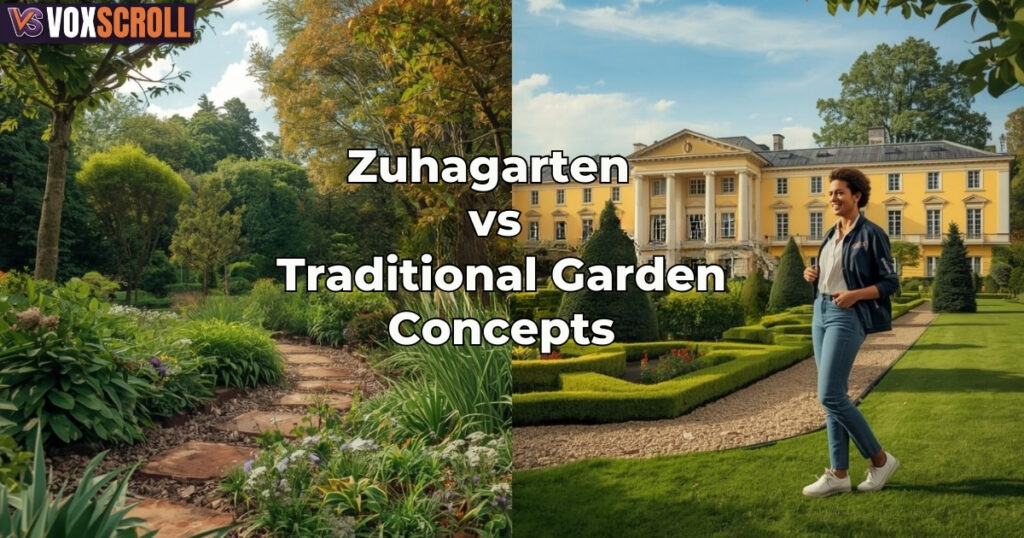
Traditional gardens often focus on appearance. Zuhagarten Explained focuses on experience and feeling. It values creative garden spaces over perfection.
It encourages building a personal garden paradise that supports real life, not just photos.
| Aspect | Traditional Garden | Zuhagarten |
| Focus | Decoration | Wellbeing |
| Design Style | Formal | Intentional |
| Care Level | High effort | low maintenance gardens |
| Purpose | Visual | Emotional and daily use |
Designing a Zuhagarten from Scratch
His Explained starts with intention. Design follows lifestyle needs instead of trends.
It supports sustainable garden design and eco-friendly gardening from the beginning.
Choosing the Right Space (Urban & Rural)
In cities, balconies and rooftops support urban gardening concepts. In rural areas, open land is used gently.
Both allow indoor outdoor living and support blending home and garden life.
Selecting Plants with Purpose
Plants are chosen for meaning. Zuhagarten uses edible garden plants and focuses on native plant gardening.
This supports sustainable home gardening and protects biodiversity and local ecology.
Using Natural and Sustainable Materials
Materials like stone and wood create warmth and balance. They support natural materials in gardens and long-term use.
This reflects eco-conscious gardening and long-term sustainable living.
Seasonal Design Approach in Zuhagarten
Zuhagarten Explained follows seasonal garden design closely. Each season brings a new feeling and lesson.
This respects seasonal rhythms of nature and natural change.
Spring – Growth and Renewal
Spring brings energy and hope. New plants support the healing power of green spaces.
Summer – Energy and Abundance
Summer supports connection and creativity. It reflects creativity through outdoor spaces.
Autumn – Calm and Reflection
Autumn encourages slowing down and reflection. This supports rituals of garden care.
Winter – Minimalism and Rest
Winter focuses on simplicity. It supports comfort-focused garden design and rest.
Zuhagarten in Urban Living Spaces
Zuhagarten Explained fits surprisingly well into urban life, even when space feels limited. Apartments, condos, and townhouses can still support a meaningful garden experience through smart design choices. Containers, vertical planting systems, window boxes, and compact seating areas help transform small balconies or rooftops into calm, usable spaces. These setups allow people to enjoy greenery without needing a large yard.
Urban designs also support family friendly gardens by creating safe, flexible areas where children and adults can relax together. With thoughtful plant selection and simple layouts, city dwellers can enjoy the same emotional and mental benefits as those with larger outdoor spaces. The goal is comfort, not size.
Sustainability Practices in Zuhagarten
Sustainability sits at the heart of Zuhagarten Explained. This garden lifestyle encourages thoughtful use of water, soil, and materials so the space remains healthy for years. Instead of fast results, Zuhagarten focuses on long-term balance, which naturally supports sustainable garden practices and responsible care.
By choosing low-impact methods and reusable resources, this approach reflects strong eco-friendly gardening values. Every small action, from soil care to plant selection, contributes to a healthier environment and a more meaningful relationship with nature.
Composting and Waste Reduction
Composting plays an important role in Zuhagarten gardens. Kitchen scraps and plant waste return to the soil instead of going to landfills. Over time, compost improves soil structure, supports plant growth, and reduces the need for chemical fertilizers, making the garden healthier and more self-sustaining.
Growing Your Own Food
Growing herbs, vegetables, or fruit connects people directly to what they eat. Food gardens increase awareness of seasons, patience, and effort. This practice also supports healthier eating habits while reducing dependence on store-bought produce.
Supporting Local Biodiversity
Native plants attract pollinators like bees and butterflies while supporting birds and beneficial insects. This balance strengthens the local ecosystem and helps the garden thrive naturally without constant intervention.
Mental, Emotional, and Physical Benefits
Zuhagarten Explained offers deep benefits beyond appearance. Daily contact with plants, soil, and fresh air supports mental clarity and emotional calm. Time spent in the garden reduces stress, improves focus, and creates moments of quiet reflection that modern life often lacks.
Physically, gentle gardening movements encourage light exercise and relaxation. Over time, the garden becomes one of those rare healing garden spaces where both body and mind feel restored without effort or pressure.
Zuhagarten as a Long-Term Lifestyle Choice
It is not a one-season project. It grows and changes alongside the person caring for it. This long-term approach supports intentional outdoor living, where small daily actions slowly build a deeper connection to the space.
As years pass, the garden becomes a garden as personal sanctuary. It holds memories, routines, and emotional value, making it an important part of everyday life rather than a temporary design trend.
Read Also : Kotora Melnkalne: 17 Hidden Wonders of Montenegro You Must See
Family, Children, and Community Connection
Zuhagarten Explained naturally brings families closer together. Children learn responsibility, patience, and curiosity by caring for plants and watching them grow. This hands-on experience supports children learning through nature in a calm and meaningful way.
Shared garden spaces also encourage connection between neighbors and communities. Whether through shared harvests or simple conversations, gardens help people feel more connected to each other.
Blending Indoor and Outdoor Living
Zuhagarten removes the hard boundary between indoor and outdoor spaces. Large windows, open doors, and natural materials help create a smooth transition that supports indoor outdoor living. The garden becomes an extension of the home rather than a separate area.
This flow brings more light, fresh air, and comfort into daily routines. Over time, it creates a sense of balance that improves mood and overall quality of life.
Common Mistakes to Avoid When Creating a Zuhagarten
One common mistake is over-designing the space. Too many features or decorations can disrupt the calm feeling Zuhagarten aims to create. Simplicity allows the garden to breathe and feel natural.
Another mistake is ignoring seasons or sustainability. Choosing plants without considering climate or long-term care often leads to frustration. It works best when nature leads the design process.
The Future of Zuhagarten and Modern Living
He Explained aligns perfectly with future living trends focused on wellness, sustainability, and emotional balance. As people seek calmer environments, this garden style continues to grow in popularity. It also inspires garden wedding themes, creative event styling, and modern event layouts, where nature enhances celebration and atmosphere.
Final Thoughts – Why Zuhagarten Is More Than a Garden
Zuhagarten Explained represents a thoughtful approach to living, not just a design concept. It transforms outdoor space into something personal, calming, and deeply meaningful.
In a fast-moving world, it offers peace, purpose, and a lasting connection to nature—one quiet moment at a time.
Frequently Asked Questions
1. What is a Zuhagarten?
A Zuhagarten is a personal garden sanctuary designed for relaxation, mindfulness, and connection with nature.
2. How does Zuhagarten improve well-being?
It reduces stress and enhances mental and emotional wellbeing through intentional outdoor spaces and sensory experiences.
3. Can Zuhagarten work in small urban spaces?
Yes, using containers, vertical plants, and low maintenance gardens, even apartments can become peaceful retreats.
4. What are the key elements of a Zuhagarten?
Elements include natural garden elements, seasonal plant selection, water features, and comfort-focused design.
5. Is Zuhagarten sustainable?
Absolutely, it promotes eco-conscious gardening, composting, native plants, and mindful use of resources for long-term living.

Ali Hussnain is a digital content writer at VoxScroll. He covers celebrity biographies, social media personalities, entertainment news, and trending online topics. His writing focuses on clear information, reliable sources, and reader-friendly content.