

Keeping your smile healthy goes beyond brushing and flossing; learning how to clean retainers properly is just as important. Retainers, whether worn after braces or as clear retainers, can accumulate bacteria on retainers, plaque and tartar buildup, and retainer stains if not cared for daily. Neglecting retainer hygiene can lead to bad breath, oral infections, and even damage to the appliance itself.
Establishing a daily cleaning routine protects your teeth, gums, and the investment in your orthodontic treatment. In this guide, you’ll discover 12 expert tips to maintain your retainers, extend their lifespan, and keep your smile bright and safe.
Why Cleaning Your Retainer Matters
Proper retainer maintenance is crucial for oral health. Left unchecked, bacteria, plaque, and tartar accumulate on your retainer, increasing the risk of oral infections prevention issues. Daily cleaning consistency helps avoid these problems while protecting your teeth from decay and gum inflammation. Not cleaning retainers regularly can also create retainer stains, making your appliance unsightly.
A neglected retainer can warp or crack, reducing retainer lifespan and affecting retainer fit. This can lead to costly retainer replacement or orthodontic corrections. Studies from American Association of Orthodontists show that poor retainer hygiene can shorten appliance life and compromise your orthodontic treatment investment. Proper retainer care ensures effective retainer cleaning and keeps your retainers sparkling and safe.
Bacteria, Plaque, and Tartar Buildup
Bacteria on retainers multiply quickly if not removed daily. These microorganisms combine with saliva and food debris to form plaque accumulation, which can harden into tartar. This not only looks unappealing but also increases the risk of oral infections. Using a soft-bristled toothbrush and gentle cleansers helps prevent buildup in grooves and ridges cleaning.
Even minor plaque buildup can lead to gum irritation and tooth decay. Deep cleaning using hydrogen peroxide soak or Retainer Brite can eliminate hidden bacteria. Experts recommend combining daily habits with weekly soaks to protect oral health connection and ensure retainers sparkle.
Odors and Stains
Bad breath from retainers is often caused by trapped bacteria and food particles. Retainer stains develop from coffee, tea, or colored foods, especially on clear plastic retainers. Left untreated, discoloration worsens and becomes harder to remove. Simple home solutions like baking soda paste or a vinegar solution are effective for removing yellow stains without damaging your appliance.
Rinsing your retainers after every meal prevents odor buildup. Safe retainer storage in a clean retainer storage case also reduces odor prevention issues. Even retainers while eating can trap particles, so consistent hygiene is key for freshness and longevity.
Effects on Retainer Durability
Improper cleaning can cause cracks or warping, reducing retainer longevity. Using hot water or harsh chemicals like bleach damages plastic retainers and clear aligners cleaning. Even aggressive brushing with standard toothpaste can harm the surface, causing scratches and plaque accumulation in tiny grooves.
Maintaining retainer maintenance habits prolongs appliance life. Using lukewarm water, dedicated retainer toothbrushes, and soft bristle toothbrushes preserves both appearance and retainer fit. Regular professional cleaning also ensures your retainer remains effective throughout your orthodontic treatment.
Daily Habits for Cleaning Retainers
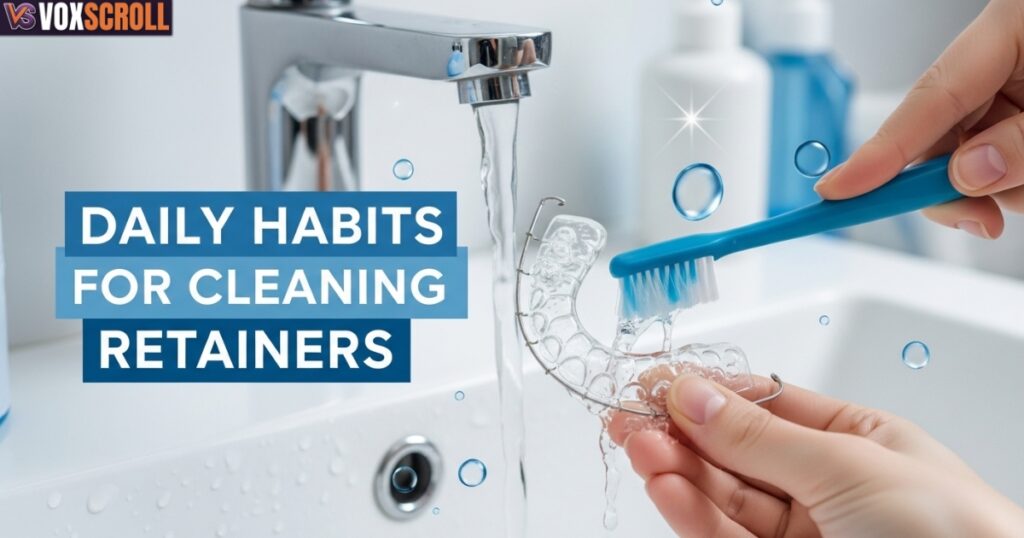
Creating a daily cleaning routine is the foundation of retainer hygiene. Brushing your retainers gently with a soft-bristled toothbrush and retainer-safe cleaners removes bacteria and prevents plaque accumulation. Always rinse after meals to avoid bacteria and food debris buildup.
Soaking retainers in lukewarm water or mild solutions like Dr. Bronner’s soap keeps them fresh. Consistent retainers daily cleaning prevents stains and discoloration while supporting oral hygiene. Even short lapses in routine can lead to discoloration and odor, so consistency is key.
Proper Brushing Techniques
Brushing your retainer should mimic brushing teeth, but gently. Use a soft-bristled toothbrush, focusing on grooves and ridges cleaning. Avoid toothpaste that contains abrasives, as toothpaste damages retainers. A dedicated retainer toothbrush ensures effective retainer cleaning without harming the plastic or wires.
For permanent retainers, use a floss threader to reach under wires and remove plaque buildup. This prevents gum irritation and ensures your permanent retainer care is thorough. Brushing twice daily keeps your retainers safe and prevents odor prevention issues.
Rinsing and Soaking Methods
After brushing, rinse your retainers in lukewarm water to remove residual debris. Avoid hot water, which can cause cracks or warping. For deeper cleaning, retainer soaking in distilled water with a Retainer Brite tablet or a mild hydrogen peroxide solution is effective.
Weekly soaks help disinfect and remove stubborn buildup. Using professional ultrasonic cleaning or hydrogen peroxide cleaning adds extra protection. These methods ensure deep cleaning retainers without damaging them, enhancing retainer longevity.
Read Also: Brasssmile 2026: 15 Powerful Facts You Must Know Before Choosing It
Best Cleaning Solutions for Retainers
Choosing the right retainer cleaning solutions is crucial. Commercial options like Retainer Brite or ultrasonic retainer cleaner tablets eliminate harmful bacteria and maintain retainer hygiene. Homemade remedies also work if used carefully.
Regular cleaning with safe solutions prevents stains and discoloration and extends retainer lifespan. Avoid harsh chemicals like bleach or boiling water, which reduce retainer fit and durability. Proper cleaning ensures your teeth straightening investment remains protected.
Commercial Retainer Cleaners
Retainer Brite tablets, ultrasonic retainer cleaner, and other retainer-safe cleaners are widely recommended. These products remove plaque buildup, disinfect retainers, and keep them sparkling. Using them weekly complements daily habits and ensures professional care for retainers.
Many dentists, including Signature Orthodontics in Woodbridge, VA, advise combining commercial cleaning with brushing to maintain retainer hygiene routine. These methods prevent oral infections prevention issues while keeping retainers sparkle.
Homemade Remedies
Safe home remedies include baking soda paste, vinegar soak for crusty layers, and hydrogen peroxide soak. A vinegar solution removes tough stains, while baking soda for retainers neutralizes odors and prevents plaque accumulation.
Mixing vinegar and baking soda mix once a week or using distilled white vinegar ensures deep cleaning retainers without damaging clear retainers or plastic retainers. Always rinse thoroughly with distilled water before wearing.
How to Clean Retainers with Baking Soda and Vinegar
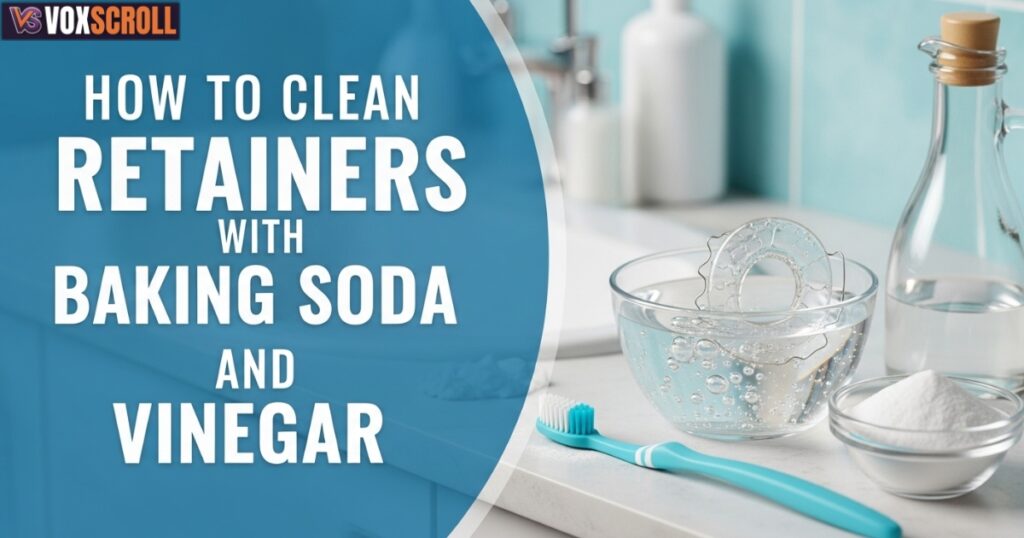
Using baking soda for retainers and a vinegar solution is a natural way to disinfect and remove stubborn stains. Baking soda neutralizes acids and kills harmful bacteria, while vinegar dissolves plaque and tartar buildup. Combining these ensures deep cleaning retainers without harsh chemicals, keeping your retainer hygiene routine safe and effective.
A vinegar and baking soda mix is best done once weekly. Start by soaking in a baking soda paste, then follow with a vinegar soak for crusty layers. Always rinse thoroughly with distilled water to avoid lingering odors or chemical residues, ensuring retainers sparkle and your oral health connection stays strong.
Step-by-Step Baking Soda Cleaning
To clean your retainers with baking soda, make a paste using baking soda for retainers and lukewarm water. Apply it with a dedicated retainer toothbrush, focusing on all grooves and ridges cleaning. Let it sit for 10 minutes, then rinse thoroughly with distilled water. This method removes retainer stains, neutralizes odors, and prevents bacteria and food debris buildup.
You can also use a weekly hydrogen peroxide soak after baking soda treatment for extra disinfecting. This combination is effective for retainers daily cleaning, ensuring retainer longevity and maintaining a loose fit retainer if needed.
Vinegar Cleaning: Pros and Cons
A vinegar solution made from distilled white vinegar and lukewarm water is excellent for tackling stubborn retainer stains and plaque accumulation. Soak your retainer for 15–20 minutes, then rinse thoroughly. The acidity dissolves hardened deposits, but overuse can weaken plastic or metal over time.
Pros include natural deodorizing, deep cleaning retainers, and affordability. Cons include potential damage to plastic retainers if soaked too long. Using it weekly in combination with baking soda paste is safest for retainer hygiene.
Special Cases: Plastic, Clear, and Permanent Retainers
Different retainers need tailored care. Plastic retainers are prone to stains and discoloration, while clear retainers can yellow if exposed to coffee or soda. Permanent bonded retainers require extra care using floss threaders and professional cleaning to prevent plaque buildup and gum irritation.
Knowing your types of retainers ensures your daily cleaning routine protects retainer fit, durability, and overall oral health connection. Avoid harsh chemicals, high temperatures, or abrasive brushes to extend retainers lifespan.
Plastic Retainer Care Tips
Plastic retainers should never be exposed to hot water. Brush gently with a soft-bristled toothbrush and retainer-safe cleaners. For stains, use a baking soda paste or soak briefly in a vinegar solution. Store them in a retainer storage case when not in use to prevent warping.
Avoid toothpaste that is abrasive, as it damages surfaces and reduces retainer longevity. Consistency in retainers daily cleaning protects your appliance from discoloration and odor, ensuring your retainer hygiene routine stays effective.
Cleaning Clear Aligners at Home
Clear retainers cleaning is similar to plastic retainers but requires extra care to prevent yellowing. Rinse with lukewarm water, brush lightly with Dr. Bronner’s soap, and consider weekly hydrogen peroxide soak. Avoid colored liquids and heat exposure to maintain clarity.
Regular cleaning removes bacteria and food debris while preventing retainer stains. Using professional ultrasonic cleaning occasionally ensures deep cleaning retainers and keeps aligners cleaning at home safe and effective.
Permanent (Bonded) Retainers
Permanent retainers require careful attention. Use a floss threader to remove plaque buildup under the wire. Brush carefully around teeth and wires to prevent gum irritation. Periodic professional cleaning is recommended to protect permanent retainer care and retainer hygiene routine.
Monitoring for cracks or warping or changes in retainer fit is essential. Early detection prevents the need for retainer replacement and ensures orthodontic guidance from your dentist or orthodontist.
Read Also: How Long Until a Tooth Infection Kills You? (Causes, Risks & Treatment)
Common Mistakes to Avoid When Cleaning Retainers
One of the biggest retainer cleaning mistakes is using hot water or harsh chemicals. Boiling water or bleach can warp plastic and damage wires, reducing retainer longevity. Skipping daily cleaning invites bacteria and food debris, causing bad breath from retainers and plaque accumulation.
Other mistakes include brushing with regular toothpaste or scrubbing aggressively. Using gentle soft bristle toothbrushes, safe retainer storage, and proper soaking methods ensures effective retainer cleaning and protects your orthodontic treatment investment. Consistency in daily cleaning routine is key.
Using Hot Water or Harsh Chemicals
Avoid hot water or bleach, as both can deform plastic retainers and loosen wires. Even temporary warping affects retainer fit and may require costly retainer replacement. Always stick to lukewarm water, retainer-safe cleaners, or home remedies like baking soda and vinegar for safe results.
Skipping Daily Cleaning
Neglecting daily habits leads to plaque accumulation, discoloration and odor, and reduced retainer lifespan. Daily brushing, rinsing, and soaking are critical. Missing even a few days allows harmful bacteria to multiply, making deep cleaning retainers more difficult later.
How Often Should You Replace or Sterilize Retainers?
Retainer replacement depends on wear, retainer stains, and changes in retainer fit. Plastic retainers generally last 1–2 years, while permanent retainers require regular evaluation. Professional sterilization maintains retainers sparkle and ensures oral infections prevention.
Regular orthodontist consultation helps detect cracks or warping early. Combining professional care for retainers with daily cleaning consistency maximizes retainer longevity and keeps your smile healthy.
Signs It’s Time for a Replacement
Look for discoloration, cracks, warping, persistent odor, or a loose fit retainer. Any of these indicate it’s time for retainer replacement. Ignoring these signs risks gum irritation and compromised orthodontic treatment results.
Professional Cleaning vs. Home Methods
Professional cleaning using ultrasonic retainer cleaner or dentist-provided hydrogen peroxide solution eliminates hidden bacteria. Home methods like vinegar soak for crusty layers or baking soda paste complement professional care. A combination ensures deep cleaning retainers and optimal retainer hygiene routine.
When to Call Your Orthodontist About Retainer Issues
Contact your orthodontist if you notice cracks or warping, persistent odors, or retainer fit changes causing gum irritation. Early intervention prevents costly retainer replacement and protects your orthodontic treatment investment.
Cracks, Warping, or Loose Wires
Damaged retainers affect retainer fit and retainer longevity. Orthodontist evaluation ensures safe repair or replacement. Ignoring issues can lead to misalignment and expensive corrective measures.
Persistent Odors or Discoloration
Foul smells or yellowing indicate bacteria, plaque, and tartar buildup. If daily cleaning consistency doesn’t resolve it, schedule a professional cleaning to prevent oral infections.
Retainer Fit Changes and Gum Irritation
A loose fit retainer or gum irritation signals improper alignment or appliance damage. Orthodontic retainer maintenance and professional care for retainers prevent long-term issues.
Read Also: Can You Kill Tooth Pain Nerve in 3 Seconds Permanently? The Truth Explained
Travel and On-the-Go Retainer Care
Maintaining retainer hygiene while traveling is simple with portable cleaning tools. Carry a retainer storage case and travel-sized retainer kits to avoid bacteria and food debris buildup. Daily habits should continue even on-the-go.
Carrying Your Retainer Safely
Use a retainer storage case to prevent warping, contamination, or loss. Avoid stuffing retainers in pockets or bags, as this risks cracks or warping and reduces retainer lifespan.
Cleaning Tips While Traveling
Rinse after meals and brush with soft-bristled toothbrush using retainer-safe cleaners. For deep cleaning, use hydrogen peroxide soak or baking soda paste if access to professional care is limited. Maintaining daily oral hygiene habits ensures retainer longevity even on-the-go.
FAQs About How to Clean Retainers
What is the best way to clean retainers?
The best way to clean retainers is using a soft-bristled toothbrush with mild dish soap for retainers, plus weekly deep cleaning retainers with a hydrogen peroxide solution or baking soda paste.
Are you supposed to wash your retainer every day?
Yes, you should wash your retainer every day to prevent bacteria and food debris, plaque buildup, and bad breath from retainers.
What not to clean retainers with?
Avoid toothpaste, bleach, boiling water, or harsh chemicals, as these can cause cracks or warping and damage the appliance.
What if my retainer smells even after cleaning?
If it smells despite cleaning, soak it in a retainer cleaning solution or hydrogen peroxide soak and check for stains and discoloration.
Can I use mouthwash to clean my retainer?
Regular mouthwash isn’t recommended; only brief use of alcohol-free rinses is safe for retainer hygiene.
What kills bacteria on retainers?
Hydrogen peroxide soak, baking soda for retainers, and vinegar solution effectively eliminate harmful bacteria on the appliance.
Can I go 2 hours without my retainer?
Short gaps like 2 hours are okay, but longer periods can affect retainer fit and compromise your teeth straightening investment.

Welcome to VoxScroll! I’m an AI-Powered SEO Expert, and Content Writer with 2 years of experience.
I help websites rank higher, grow traffic, and look amazing. My goal is to make SEO and Web design Simple and effective for everyone.
Let’s Achive more together!