


Motorcycle riders often wonder, “Is lane splitting legal in Florida?” This question is crucial for anyone navigating busy highways or congested city streets. Lane splitting Florida, also known as “white lining” or “stripe-riding,” allows motorcycles to pass between lanes of traffic, saving time but raising legal and safety concerns. While some states permit this practice under specific conditions, Florida’s laws are stricter.
Understanding the legal recognition of lane splitting and the legal consequences of lane splitting is essential for every rider. In this guide, we explore current statutes, safety risks, accident liabilities, and potential penalties, helping you ride smarter and avoid costly mistakes.
What Is Lane Splitting and How Does It Work?
Lane splitting Florida is a technique where a motorcyclist rides between two lanes of moving traffic. Often called “white lining” or “stripe-riding”, it lets motorcycles move past congested traffic lanes. It usually happens on highways or busy streets where cars are stuck in slow traffic. Passing between lanes is appealing because riders can avoid being stuck behind vehicles.
A similar practice is slower traffic lane filtering, which occurs between stopped or slow moving traffic. Side-by-side motorcycles, also known as lane sharing Florida, is when two motorcycles ride in the same lane. Although riders see benefits like avoiding rear-ended risk for motorcyclists, Florida law treats these differently, making legal understanding critical before trying any of these maneuvers.
Is Lane Splitting Legal in Florida? Current Laws Explained
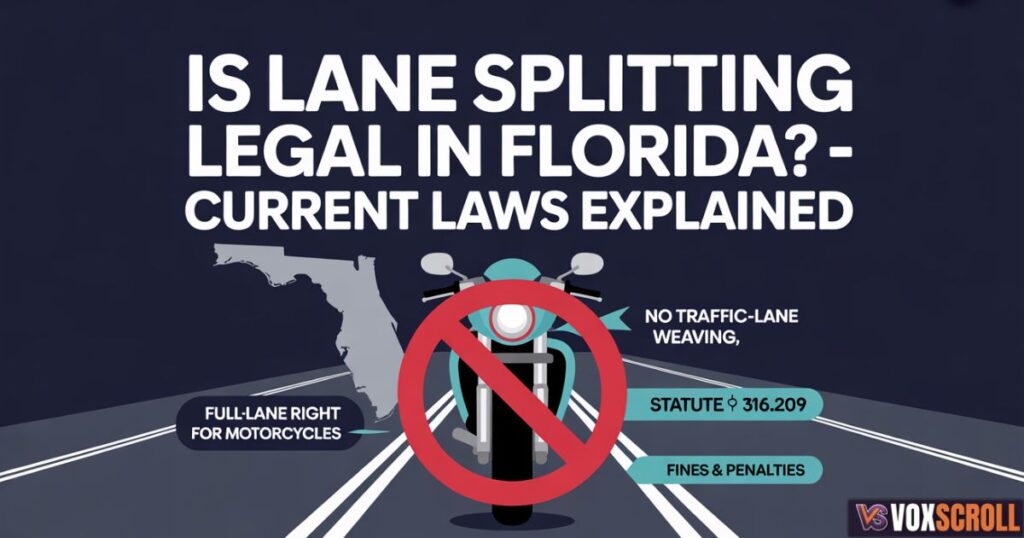
In Florida, lane splitting legality Florida is clear: it is illegal. Under FL Statute 316.209, motorcycles must remain in a single lane and cannot pass other vehicles in moving traffic. Riders performing moving traffic lane maneuver face moving violations, fines, and possible points on their license. Even slow-speed slower or stopped traffic lane filtering is treated as illegal under the same statute.
Some states, like California or Utah, legally recognize lane splitting at moderate speeds. Florida’s legal recognition of lane splitting does not exist, which means accidents while riding between two lanes of traffic may place riders at fault. Riders need to understand the legal consequences of lane splitting, including potential liability for damages and increased insurance costs.
Read Also: 7 Crucial Facts About Can You Turn Right on Red in Texas? Every Driver Must Know
Lane Splitting vs. Lane Filtering and Lane Sharing: What’s the Difference?
Lane splitting Florida occurs at higher speeds between lanes of moving traffic. In contrast, slower traffic lane filtering happens between stopped or slow moving traffic at lower speeds. This minor difference impacts both safety and legal interpretation. High-speed lane splitting increases accident severity and risk of injuries, while slower traffic lane filtering may reduce crash impact.
Lane sharing Florida, where two motorcycles side-by-side occupy a lane, is another illegal practice in Florida. It’s important to distinguish these because motorcycle liability Florida often depends on which maneuver caused the accident. The following table clarifies the differences:
| Maneuver | Speed | Legal Status Florida | Risk Level |
| Lane Splitting | Moving traffic speed | Illegal | High |
| Lane Filtering | Slower or stopped traffic | Illegal | Moderate |
| Lane Sharing | Side-by-side motorcycles | Illegal | Moderate |
Safety Concerns: Is Lane Splitting Safe for Motorcyclists?
Safety studies show that safety concerns lane splitting are real. Riding between two lanes of traffic leaves little room for error. A car may change lanes unexpectedly, increasing the chance of accidents. Rear-ended risk for motorcyclists is lower, but other risks, like concussions and TBI or spinal cord injuries, rise dramatically.
The NHTSA lane splitting data shows that accident severity high-speed lane splitting is higher than normal lane travel. Riders face challenges like poor visibility intersections, misjudging vehicle speed, and moving traffic lane maneuver errors. Even low-speed lane filtering isn’t risk-free. Legal consequences often outweigh the perceived safety benefit.
Common Injuries From Lane Splitting Accidents in Florida
Motorcyclists in lane splitting crashes may suffer serious motorcycle accident injuries. Common injuries include concussions and TBI, broken limbs, and spinal cord injuries. Even minor crashes can lead to months of recovery, creating lost wages from accidents and emotional stress.
Motorcycle injury risks increase dramatically when collisions occur at highway speeds. Florida’s laws make proving fault more complex since riders performing high-speed lane splitting may face partial liability under comparative fault system Florida. Accident documentation, including traffic accident documentation and witness statements and traffic camera footage, is crucial for recovery.
Potential Damages and Liability in Lane Splitting Accidents
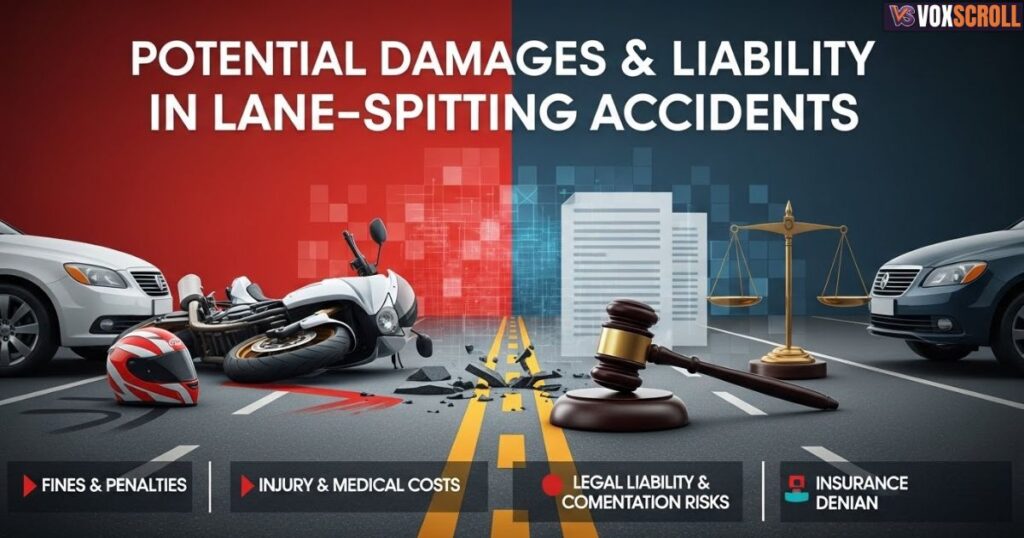
Accidents involving lane splitting Florida can lead to significant financial impact. Motorcycle accident compensation Florida may include medical bills, rehabilitation, property damage, and lost income. Insurance companies may cite insurance claim denial due to illegal maneuvers, leaving riders with full financial responsibility for damages.
Liability often relies on motorcycle crash liability. Florida uses a comparative fault system Florida, meaning fault may be shared. Riders must gather motorcycle crash documentation and expert testimony for accident claims. Detailed records can determine how damages and personal injury from motorcycle crashes are assigned.
Penalties for Illegal Lane Splitting in Florida
Performing lane splitting Florida in violation of Florida motorcycle statutes can result in fines, points on your license, and higher insurance premiums. Motorcycle accident penalties Florida vary depending on severity and prior offenses. Even minor traffic tickets count as moving violations, affecting driving records and insurance rates.
Repeated offenses may escalate to misdemeanor charges. Riders must understand that legal consequences of lane splitting are not limited to fines but also impact motorcycle liability Florida in accidents. Insurance companies may argue that illegal maneuvers justify insurance claim denial.
Who Should You Contact After a Lane Splitting Accident?
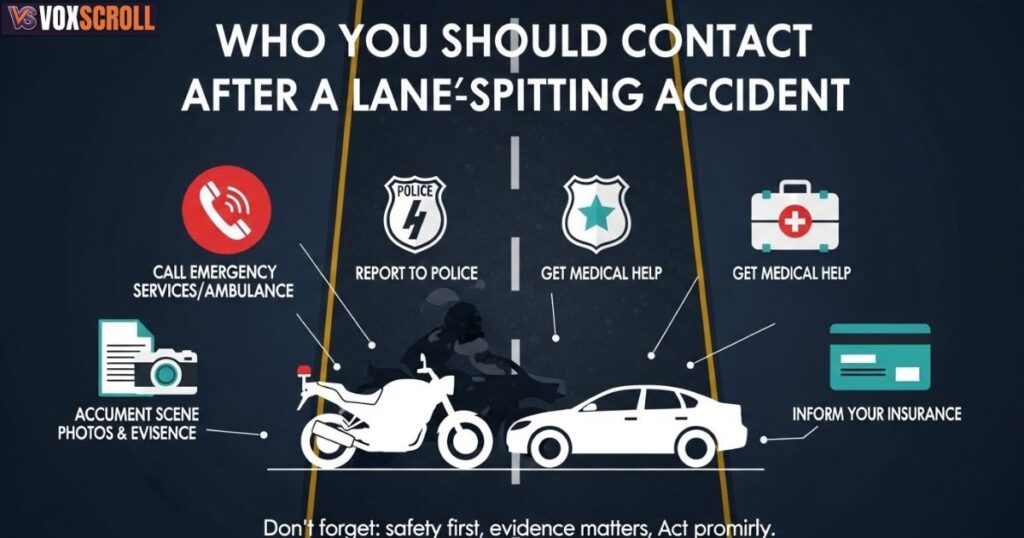
After a lane splitting accident, contact a motorcycle accident attorney Florida immediately. They help navigate motorcycle accident claims Florida and gather crucial evidence like traffic accident documentation, witness statements and traffic camera footage, and medical records. Proper legal guidance ensures riders pursue full motorcycle accident compensation Florida.
Experts can evaluate motorcycle crash liability and prepare claims against negligent parties. Motorcycle accident lawyer Florida can advise on legal strategy, even when the rider partially violated lane-splitting rules. Seeking assistance early may protect both financial and personal safety.
Read Also: 10 Most Beautiful States in the US That Will Blow Your Mind
Future of Lane Splitting in Florida: Will It Ever Be Legal?
Debates about lane splitting legality Florida continue among lawmakers, safety advocates, and motorcyclists. Some propose regulated lane splitting to reduce highway congestion, citing safer practices in California and Utah. Lane splitting safety studies suggest that controlled, low-speed maneuvers can reduce some crash risks.
However, Florida’s traffic laws currently prohibit moving traffic lane maneuver between vehicles. Future changes will depend on legislative research, public safety data, and motorcycle safety Florida studies. Riders should stay informed about Florida motorcycle statutes and potential legal reforms affecting lane splitting Florida.
Frequently Asked Questions
Q1: Is lane splitting legal in Florida for motorcyclists?
No, lane splitting is illegal in Florida. Motorcyclists are prohibited from riding between two lanes of traffic under FL Statute 316.209, and violations are considered moving violations.
Q2: What is the difference between lane splitting and lane filtering in Florida?
Lane splitting involves riding between moving lanes of traffic, usually at higher speeds. Lane filtering is riding between slower or stopped traffic. Both practices are illegal in Florida.
Q3: What penalties exist for illegal lane splitting in Florida?
Riders caught passing between lanes may face traffic fines, points on their driving record, and potential insurance claim denial. Accidents caused while lane splitting can complicate liability determination.
Q4: Are there safety concerns for motorcyclists who lane split in Florida?
Yes, lane splitting safety concerns include higher motorcycle injury risks, rear-ended risk for motorcyclists, and limited reaction time in moving traffic speed, making accidents more severe.
Q5: Who should you contact after an accident involving lane splitting in Florida?
If involved in a crash while riding between two lanes of traffic, contact a motorcycle accident attorney Florida. They can assist with motorcycle accident claims Florida and traffic accident documentation.

Welcome to VoxScroll! I’m an AI-Powered SEO Expert, and Content Writer with 2 years of experience.
I help websites rank higher, grow traffic, and look amazing. My goal is to make SEO and Web design Simple and effective for everyone.
Let’s Achive more together!