

Introduction – Why Kotora Melnkalne Captivates Travelers
Kotora Melnkalne is a hidden gem on the Adriatic coast that captivates travelers with its blend of medieval architecture, stunning scenic mountains, and rich Montenegrin history. Nestled near the Bay of Kotor, this enchanting region offers a unique mix of natural wonders, cultural revival, and slow-paced living that draws explorers seeking authentic experiences. From wandering through Old Town Kotor to hiking the Mount Lovćen trails, every corner tells a story of heritage preservation and human-scale living.
Whether you are fascinated by Venetian architecture, eager for eco-adventure, or simply savoring Montenegrin cuisine, Kotora Melnkalne promises unforgettable journeys that connect history, culture, and nature in one breathtaking destination.
The Meaning Behind “Kotora Melnkalne”
Linguistic Origins and Cultural Symbolism
The term Kotora Melnkalne has a deep cultural symbolism. Linguists trace the roots of the name to regional dialects and Latvian village heritage, reflecting layers of history and identity. It evokes the harmony of human-scale living and emotional geography, tying landscapes to daily life.
This poetic name also symbolizes continuity. It represents how communities balance innovation without erasure while maintaining heritage preservation. From stone villages to traditional craftsmanship, Kotora Melnkalne philosophy emphasizes depth over speed in life and travel experiences.
Modern Interpretations and Cultural Identity
Today, Kotora Melnkalne is a lens to view Montenegro’s identity. Tourists encounter local artisans, slow living principles, and digital detox retreats that celebrate quiet innovation. The area blends old traditions with ethical business lessons from founders and tech leaders inspired by resilient communities.
Modern interpretation extends to art and cuisine. The culinary identity shows Montenegrin cuisine, from Njeguški pršut to coastal seafood. Now this land becomes a living story of balance and continuity, linking symbolic movement, heritage tourism, and local creativity for visitors and entrepreneurs alike.
Where Is Kotora Melnkalne? Mapping Its Real-World Location
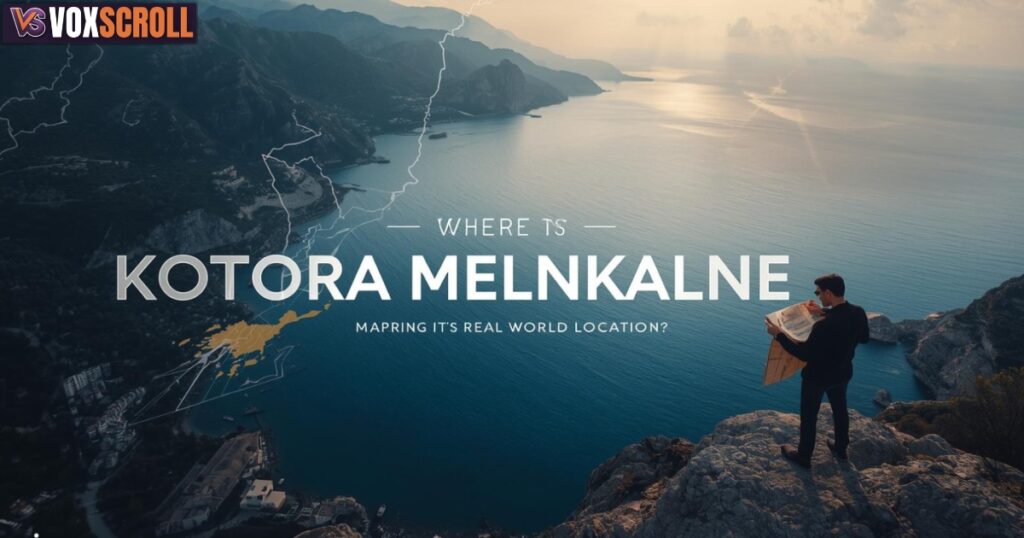
Kotora Melnkalne lies near Kotor Montenegro, along the picturesque Adriatic fjord. The Bay of Kotor frames it with stunning waters, while scenic mountains like Mount Lovćen surround the town. Travelers can access the region from major ports or inland roads, making it perfect for both guided tours and independent exploration.
Its location enhances outdoor exploration and eco-adventure opportunities. From hiking trails Montenegro to Black Mountain Estate excursions, visitors encounter biodiversity in Montenegro at every step. The town’s geography encourages integration with nature and supports sustainable travel tips for conscious travelers.
A Journey Through History – The Evolution of Kotora Melnkalne
From Ancient Illyrians to Romans
His history begins with prehistoric settlements. Ancient Illyrians first inhabited the area, followed by Roman influences that shaped heritage architecture. Ruins reveal a prehistoric trade hub, highlighting strategic importance along the Adriatic coast.
Early trade routes fostered cultural exchanges. These exchanges left traces in stone villages, rural architecture, and early forms of Latvian cultural heritage influences through maritime contacts. The area evolved as a cultural continuity point linking historical pathways and modern life.
Byzantine, Venetian, and Ottoman Influences
Under Byzantine rule, medieval architecture and defensive structures expanded. The Venetians added Venetian architecture and strengthened Old Town Kotor, turning it into a vibrant medieval trade hub. Ottoman threats later reshaped fortifications and cultural practices.
The layering of influences created a rich cultural revival. Visitors can still see heritage architecture, guided cultural tours, and elements of slow tourism that honor the past. Each era contributes to Kotora Melnkalne history, blending cultural symbolism with scenic beauty.
Austro-Hungarian Era and Modern Shifts
The Austro-Hungarian era introduced new Neo-Gothic architecture and Classicism style buildings. Roads, civic infrastructure, and estate pathways reflect modernization alongside heritage preservation. World Wars left their mark, affecting small-scale economy and local traditions.
Modern shifts have made Kotora Melnkalne a hub for heritage tourism, eco-adventure seekers, and educational centers. Restoration efforts focus on manor museums, local cuisine Montenegro, and cultural continuity, ensuring that travelers experience both history and contemporary life.
Kotor Today – The Living Core of Kotora Melnkalne
The Old Town as a UNESCO World Heritage Site
Old Town Kotor showcases architectural splendor. The UNESCO World Heritage designation protects its medieval town walls, heritage architecture, and cobblestone streets. Historical landmarks, churches, and towers offer insight into centuries of Montenegrin history.
This living center blends tourism with local life. Official tourist sites, guided cultural tours, and heritage tourism experiences bring emotional geography to life. Travelers witness heritage preservation alongside eco-conscious travel, keeping the area vibrant and authentic.
Cultural Fusion and Daily Life Experiences
Kotor’s streets pulse with local traditions and tours. Markets feature artisanal workshops, Montenegrin festivals, and local cuisine Montenegro. Visitors enjoy the Kotor Carnival, Boka Night, and seasonal events celebrating cultural continuity.
Daily life is an immersion in human-scale living. From small-scale economy craft shops to entrepreneurial retreats, the town emphasizes refinement over replacement, combining historic charm with modern innovation through tradition.
Natural Wonders – Geography That Shapes Kotora Melnkalne
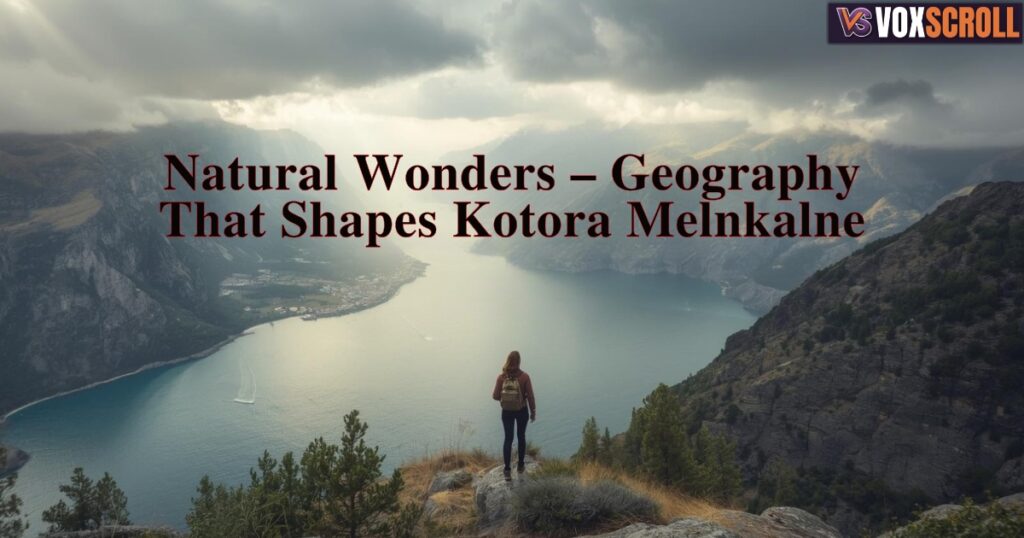
Bay of Kotor – Montenegro’s Fjord Gem
The Bay of Kotor is an Adriatic fjord lined with stone villages and scenic harbors. Its calm waters and dramatic cliffs create scenic landscapes perfect for photography, sailing, or quiet contemplation.
The bay sustains local fisheries and sustainable farming practices. Eco-conscious travelers can explore slow tourism options like guided boat tours that highlight biodiversity in Montenegro while preserving natural resources.
Mount Lovćen and Scenic Mountains
Mount Lovćen hiking trails offer panoramic Adriatic views. The mountain supports biodiversity, historical monuments, and heritage preservation through protected areas. Its slopes host nature trails and eco-adventure paths connecting rural villages.
Visitors can experience integration with nature, combining heritage architecture with outdoor exploration. Mount Lovćen embodies Kotora Melnkalne philosophy, promoting slow living principles and emotional geography.
Serpentine Road to Njeguši and Surroundings
The Serpentine Road winds to Njeguši, famed for Njeguški pršut and mountain landscapes. Traditional rural architecture and local artisans enrich the journey, giving a taste of cultural continuity.
This road highlights eco-adventure seekers’ experiences with historical pathways, scenic viewpoints, and small-scale Montenegrin cuisine stops. It blends sustainable travel tips with unforgettable vistas.
Outdoor Adventures – Hiking and Eco-Trails Around Kotora Melnkalne
Nature Trails and Geographical Highlights
Here’s adventure is ideal for hikers. Trails wind through scenic mountains, forests, and historical pathways, offering Adriatic views and immersion in biodiversity in Montenegro. From beginner-friendly paths to challenging Mount Lovćen hiking, every traveler can find a route that suits their pace.
Along these trails, visitors encounter stone villages, heritage architecture, and eco-adventure experiences. Sustainable tourism is emphasized, with sightseeing planning supporting slow tourism. Travelers can enjoy both natural beauty and heritage preservation without harming local ecosystems.
The Black Mountain Estate and Scenic Routes
The Black Mountain Estate combines Latvian cultural heritage and manor architecture with nature. Walking along estate pathways, visitors see landscape design, Classicism style, and Neo-Gothic architecture, while learning about heritage preservation and estate legacy.
Scenic routes link villages and mountains, offering outdoor exploration and eco-conscious travel. Guides highlight flora and fauna, local farms practicing sustainable farming, and traditional craftsmanship, creating a full Kotora Melnkalne adventure experience for nature lovers.
Sustainable Tourism and Adventure Planning
Travelers are encouraged to follow sustainable travel tips, combining slow living principles with heritage tourism. Activities include guided cultural tours, eco-trails, and local traditions and tours. Planning ensures a balance of integration with nature and emotional geography, enhancing the Kotora Melnkalne philosophy.
Festivals, Folklore, and Local Spirit
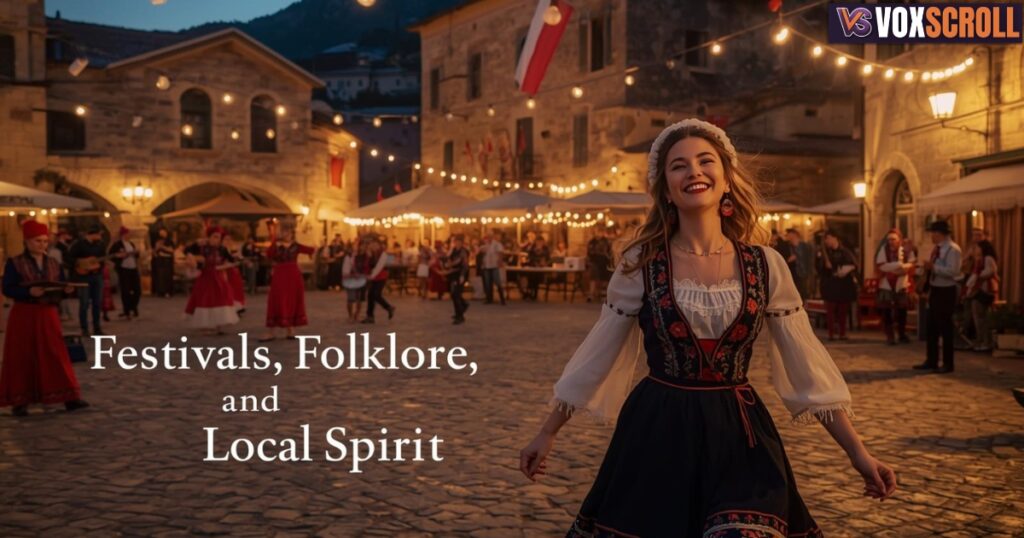
Montenegro celebrates vibrant Montenegrin festivals in Kotora Melnkalne. The Kotor Carnival and Boka Night showcase cultural revival, music, dance, and local artisans. These events preserve heritage preservation while creating resilient communities around shared traditions.
Folklore is alive in villages and towns. Traditional craftsmanship, storytelling, and seasonal rituals reflect cultural continuity. Visitors experience slow tourism by joining local celebrations, tasting Montenegrin cuisine, and learning about human-scale living that connects past and present.
Culinary Identity – Flavors and Local Cuisine of Kotora Melnkalne
Culinary identity defines the region. Dishes like Njeguški pršut, seafood from the Bay of Kotor, and Montenegrin cuisine highlight local traditions and tours. Meals are paired with wine and olive oil, representing the Kotora Melnkalne philosophy of refinement over replacement.
Restaurants, markets, and artisanal workshops emphasize slow living principles and heritage preservation. Sustainable travel ensures fresh, local ingredients, while food experiences provide insight into cultural significance, human-scale living, and regional flavors.
Read Also : Fun Fact About Miami Florida Verenigde Staten: The Ultimate Guide to Travel, Culture & Lifestyle
Kotora Melnkalne for Entrepreneurs and Creative Minds
The town inspires entrepreneurial retreats and creative projects. Founders and tech leaders explore innovation through tradition, emphasizing ethical business lessons and quiet innovation. Local businesses thrive by blending small-scale economy, traditional craftsmanship, and heritage preservation.
Creative minds benefit from community gathering spaces and educational centers in restored Latvian manor houses or historical estates. Workshops in artisanal production, cultural revival, and slow tourism create opportunities for sustainable travel and regional development.
Modern Relevance – Kotora Melnkalne as a Symbolic Cultural Movement
Kotora Melnkalne represents a symbolic movement embracing Kotora Melnkalne philosophy. It connects emotional geography with daily life, digital detox, and slow living principles. Communities focus on refinement over replacement and resilient communities.
The movement inspires ethical business lessons, quiet innovation, and innovation without erasure. Visitors witness heritage preservation, cultural revival, and sustainable travel practices, demonstrating how tradition and modern life coexist in harmony.
Challenges and Opportunities Ahead for Kotora Melnkalne
Tourism challenges include overcrowding, environmental impact, and maintaining heritage preservation. Balancing visitor access with sustainable travel is essential for cultural continuity and resilient communities.
Opportunities lie in eco-adventure, heritage tourism, and entrepreneurial retreats. Local governments promote slow tourism, support small-scale economy, and develop guided cultural tours, ensuring that Kotora Melnkalne philosophy thrives for future generations.
Kotora Melnkalne vs. Kotor – Poetic Names vs. Geographic Reality
Kotora Melnkalne is often confused with Kotor Montenegro. While Kotor refers to the Old Town Kotor and port, it is a poetic name evoking emotional geography, heritage preservation, and symbolic movement.
Visitors should explore both. Kotor offers official tourist sites, Venetian influence, and UNESCO World Heritage. This land provides nature immersion, slow tourism, and heritage tourism, blending cultural significance with integration with nature.
Travel Tips and Planning Your Kotora Melnkalne Visit
Accommodation, Nightlife, and Culinary Delights
Travelers find accommodation options ranging from luxury manor hotels to small stone villages stays. Nightlife is gentle yet charming, with Boka Night events and local cuisine Montenegro restaurants offering authentic flavors.
Meals showcase Montenegrin cuisine, Njeguški pršut, and coastal seafood. Travelers benefit from sightseeing planning that highlights activities and attractions, heritage preservation, and slow living principles.
Must-See Tourist Attractions and Cultural Tours
Top sites include Old Town Kotor, Bay of Kotor, Mount Lovćen, and Black Mountain Estate. Guided tours highlight heritage architecture, historical pathways, and cultural revival, while eco-adventure seekers enjoy hiking trails Montenegro and nature trails.
Visitors are encouraged to practice sustainable travel tips, respecting biodiversity in Montenegro while experiencing local traditions and tours. Seasonal events enhance cultural significance and symbolic movement understanding.
Final Thoughts – Why Kotora Melnkalne Matters Today
Kotora Melnkalne connects history, culture, and nature. Its architectural splendor, heritage preservation, and slow tourism ethos offer visitors more than sightseeing—they provide human-scale living and emotional geography.
This region teaches ethical business lessons, quiet innovation, and innovation without erasure, inspiring both travelers and entrepreneurs. Its symbolic movement ensures that cultural continuity and sustainable travel remain core values for generations to come.
Frequently Asked Questions
What is Kotora Melnkalne?
Kotora Melnkalne is a poetic name highlighting the hidden cultural, historical, and natural wonders around Kotor, Montenegro.
What is the prettiest town in Montenegro?
Many consider Kotor the prettiest town, with its medieval architecture and stunning Bay of Kotor views.
What is Kotor, Montenegro known for?
Kotor is famous for its Old Town, UNESCO World Heritage status, medieval town walls, and Adriatic fjord scenery.
What country is Kotor, Montenegro located in?
Kotor is located in Montenegro, on the Adriatic coast of Southeast Europe.
Which city is best to stay in Montenegro?
Kotor or Budva are popular for tourists, offering historic charm, beaches, and local culture.
Which is nicer, Croatia or Montenegro?
Montenegro is smaller and quieter with rugged landscapes, while Croatia has more developed tourism and historic cities.
Is Montenegro friendly to Americans?
Yes, Montenegro is generally safe and welcoming to Americans, with English widely understood in tourist areas.

Welcome to VoxScroll! I’m Hoavin Gilbert, an AI-Powered SEO, and Content Writer with 2 years of experience.
I help websites rank higher, grow traffic, and look amazing. My goal is to make SEO and Web design Simple and effective for everyone.
Let’s Achive more together!