

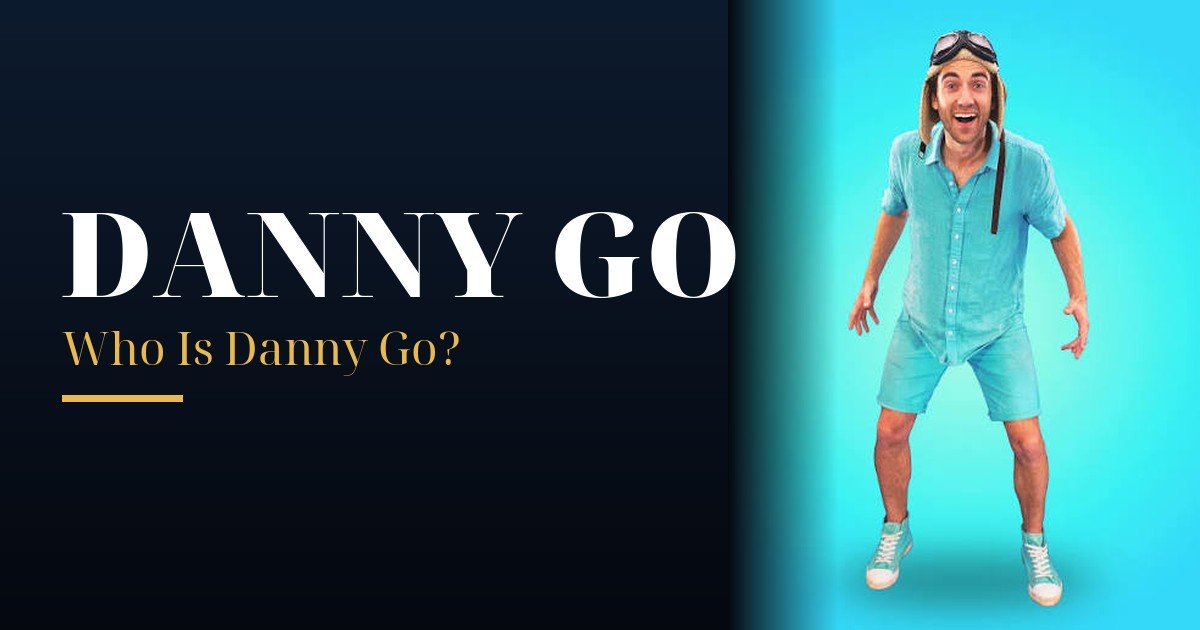
If you have a preschooler at home, you have probably already heard the question: who is Danny Go? Danny Go is the high-energy host of Danny Go!, an American live-action children’s show built around original songs, dancing and movement games. The character is played by Daniel Coleman, who created the channel in 2019 with childhood friends in Charlotte, North Carolina. Rather than asking children to sit still and watch, the show invites them to jump, wiggle, dodge imaginary obstacles and sing along, which is a large part of why parents and teachers keep returning to it.
This guide answers the question properly: who Danny Go is in real life, who makes up the cast, how the show started, which songs became classroom favourites, where you can watch it beyond YouTube, and what is — and is not — reliably known about his earnings and personal life.
Who Is Danny Go in Real Life?
Danny Go is a stage character, not a separate person. He is portrayed by Daniel Coleman, a former corporate video producer who turned a family pastime into a full-time children’s entertainment brand. On screen, Danny is endlessly enthusiastic, friendly and a little silly. Off screen, Coleman is the show’s songwriter, co-director and editor, shaping the music and the look of almost every video. That combination matters: the show feels polished because it is made by people with professional production experience, not improvised in front of a phone camera.
The distinction between character and creator is also useful for parents. Children meet Danny Go, the dancing host. Adults researching the show meet Daniel Coleman, the North Carolina creator behind him, together with a small, consistent team. Keeping those two ideas together — one joyful character, one working production team — explains both the show’s charm and its staying power.
Danny Go’s Real Name and Background
Danny Go’s real name is Daniel Coleman. That fact is confirmed by multiple independent sources, including Wikipedia’s Danny Go! profile and the show’s own official pages. Coleman grew up in the Charlotte, North Carolina area, where he became friends as a child with future collaborators Michael Finster and Matthew Padgett. As teenagers, the friends formed a band together, an early sign of the musical teamwork that would later define the show.
Coleman studied marketing at the University of North Carolina, where he met his future wife, Mindy. He then spent years working in corporate video and advertising at Lowe’s, developing a miniseries and learning scripting, lighting, editing and audience engagement. Those skills did not disappear when he left corporate life; they became the production backbone of Danny Go!, from its bright sets to its tightly edited dance routines.
How Danny Go! Started in 2019
Danny Go! launched on YouTube in 2019. The original format took inspiration from Mister Rogers’ Neighborhood, with its gentle, welcoming tone, but the team soon found that music videos performed far better. Dance-led songs gave children something to do, not just something to watch, and that active format became the show’s identity. The first breakout video, The Wiggle Dance, showed the formula working: a simple, catchy song paired with movements any preschooler could copy.
The early production was deliberately small-scale. The team filmed in a home setup before moving to a larger studio space in North Carolina, building sets, costumes and animated effects themselves. That hands-on approach is still visible today. The music is written in-house, the graphics are made by the team, and the videos keep a consistent, cheerful visual language that young viewers recognise instantly.
Meet the Danny Go! Cast: Mindy Mango, Bearhead, Pap Pap and Gerald
Although Danny is the focus, Danny Go! is an ensemble show. His wife, Mindy Coleman, appears as Mindy Mango, a warm, musical presence who dances and sings alongside him. Michael Finster plays Bearhead, produces the show’s music and handles much of its 3D modelling, while also co-directing and editing. Matthew Padgett plays Pap Pap, helps run the business side of the brand and writes music, including the show’s instrumental lullabies. Dominic Geralds, a professional drummer and longtime friend, appears as Gerald.
Each character has a clear role, which helps young children follow the show. Mindy Mango brings encouragement and melody, Bearhead brings comedy and beats, Pap Pap brings gentle, grandfatherly humour, and Gerald brings drumming energy. Parents often say the cast feels like a small group of friends rather than a rotating parade of guest stars, and that familiarity is part of the show’s appeal for repeat viewing.
What Makes Danny Go! Different From Other Kids’ Shows?
Many children’s shows are designed to be watched quietly. Danny Go! is designed to be joined in with. Episodes use movement games — dodging, ducking, jumping, dancing and pretending — wrapped around simple lessons about feelings, routines, animals, colours and everyday challenges. The show’s own description, repeated across its official material, is that it inspires learning and encourages children to get up, move and stay active.
The target audience is mainly children aged three to seven, an age when attention, coordination and language are all developing rapidly. By pairing a new word or idea with a physical action, the show gives children two ways to remember it: hearing it and doing it. That is also why the format travels well beyond the living room, into classrooms, libraries and family gatherings, where a short video can reset energy without derailing the day.
The Songs Children (and Teachers) Keep Replaying
Music is the engine of Danny Go!. Coleman writes the bulk of the songs, with Finster producing the music and Padgett contributing instrumental pieces. The catalogue includes dance anthems, adventure songs and quieter lullabies, released on streaming services as well as YouTube. Among the best-known titles are The Wiggle Dance, Dinosaur Dance, Candy Cane Crush, The Floor Is Lava and Gorilla Smash, each built around a movement children can learn in a single viewing.
Repetition is a feature, not a flaw, for this audience. Preschoolers love knowing what comes next, and parents often report hearing the same chorus dozens of times. The show leans into that by keeping songs short, melodic and easy to sing, with clear instructions woven into the lyrics. The result is a playlist that works as background energy for playtime and as a structured activity when an adult wants a focused, five-minute movement break.
Danny Go! in Classrooms: The Brain Break Phenomenon
One of the least expected parts of the Danny Go! story is its classroom life. Teachers use the videos as “brain breaks”: short, active pauses between lessons that let children move without losing the thread of the school day. A two- or three-minute dance video can release restless energy, refocus attention and give the whole class a shared, joyful moment before returning to reading or maths.
Parents magazine’s guide to Danny Go! describes the show as an “active” programme in which children are invited to participate, play, sing and dance along, rather than passively watch. That framing captures why educators adopted it. The show is not presented as a curriculum replacement; it is a movement tool that happens to teach vocabulary, listening and cooperation along the way.
From YouTube to Netflix: Danny Go!’s Streaming Expansion
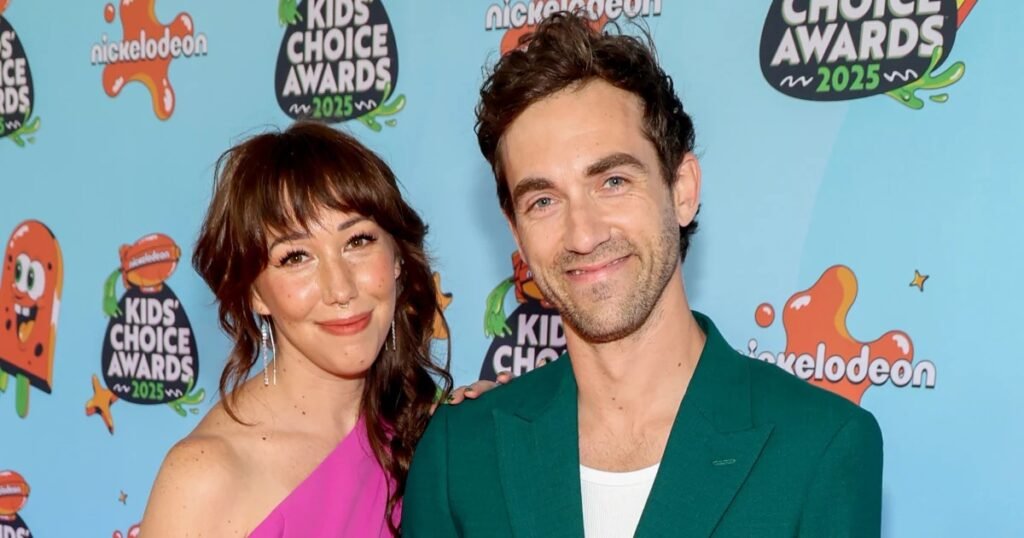
As of August 2026, the Danny Go! YouTube channel had more than 5.1 million subscribers and 5.8 billion total views, according to Wikipedia’s channel summary. That scale made a streaming expansion almost inevitable. In 2026, Netflix commissioned and released compilations of Danny Go!, beginning with five episodes in April 2026 and a second season later that year, introducing the show to families who may never have searched YouTube for it.
The Netflix move also changed how the show is discovered. On YouTube, families find individual songs. On a streaming platform, they find a packaged show with episodes to browse, which suits longer viewing sessions and households that prefer a single app. The show’s music remains available on Spotify, Apple Music and Amazon Music, so families can keep the songs going in the car or at bedtime without a screen.
Live Tours, Toys and Books: How the Brand Grew Beyond Video
Danny Go! launched its first live tour in 2024. What began as a planned run of 17 shows expanded into dozens of performances across North America over the following year, with the team reporting tens of thousands of tickets sold. Live shows recreate the dance-party atmosphere of the videos, with the full cast on stage and audiences invited to move along, just as they do at home.
The brand has also expanded into toys and books. Just Play became the show’s global master toy partner, releasing items such as musical drumsticks, an interactive boombox and a floor-is-lava activity set, sold through major retailers. On the publishing side, Publishers Weekly’s licensing coverage notes the first picture books, including Danny Go’s Volcano Adventure, released in 2026, with further titles following. Together, touring, toys and books turned a YouTube channel into a children’s media brand.
Danny Go Net Worth: The Honest Answer
Search results attach many different figures to Danny Go, ranging from around $1 million to $20 million, with several sites clustering between $5 million and $10 million. None of those figures comes from an audited, authoritative source, and Coleman has not publicly disclosed his earnings. Celebrity Net Worth’s Danny Go estimate is one widely quoted example, but it is an estimate, not a verified financial statement, and it cannot account for production costs, partnership splits, taxes or licensing terms that are private.
The honest position is therefore simple: there is no verified Danny Go net worth figure for 2026. What can be said with confidence is that income comes from several streams — YouTube advertising, music streaming royalties, Netflix licensing, live touring, merchandise and toy licensing, and book publishing — shared across a team-run production rather than a single performer. Readers who want the fuller earnings discussion can see our related coverage via Danny Go Net Worth 2026 on VoxScroll, while treating every dollar figure there and elsewhere as an estimate, not a fact.
Family, Advocacy and a Difficult Year — Handled Respectfully
Danny Go’s family life is closely woven into the show. His wife Mindy is both his life partner and his on-screen collaborator, and the couple’s experience as parents shaped the show’s gentle, encouraging tone. The official Danny Go! about page describes Coleman and Mindy living in North Carolina with their sons, and notes Coleman’s passion for supporting families of children with special needs.
That advocacy has a personal root. The family’s elder son, Isaac, was born with Fanconi anemia, a rare genetic condition, and underwent major medical treatment during his childhood. In May 2026, Coleman announced that Isaac had died at the age of 14. The family asked for, and deserves, space around that loss, and this article records it only briefly and factually. Touring plans for 2026 were paused so the family could focus on Isaac’s care and, afterwards, on grieving, while digital content, books and toys continued on a more flexible schedule.
Why Parents Trust Danny Go! — and What to Watch Next
Parents trust Danny Go! for a practical reason: the content is predictable in the best sense. There are no jump scares, no mean-spirited jokes and no advertising-driven surprises inside the songs themselves. The humour is silly rather than sarcastic, the lessons are simple and kind, and the movement games give children a healthy outlet for energy. For families comparing children’s YouTube channels, that consistency is often the deciding factor.
What comes next looks like more of the same, on more platforms. Further Netflix seasons, new live dates when the time is right, additional toys and books, and a steady stream of songs suggest a brand settling into long-term children’s entertainment rather than chasing a single viral moment. For new viewers, the best starting point remains the same: pick a song, clear a little floor space, and let the children show you the dance.
Frequently Asked Questions
Who is Danny Go in real life?
Danny Go is a children’s entertainment character played by Daniel Coleman, who created the Danny Go! show with his wife, Mindy Coleman.
What is Danny Go’s real name?
Danny Go’s real name is Daniel Coleman. He is married to Mindy Coleman, who appears on the show as Mindy Mango.
How old is Danny Go?
No authoritative source confirms Daniel Coleman’s exact date of birth. Biography websites disagree, so this guide does not state a precise age.
Who are the cast members of Danny Go?
The main cast is Daniel Coleman as Danny Go, Mindy Coleman as Mindy Mango, Michael Finster as Bearhead, Matthew Padgett as Pap Pap, and Dominic Geralds as Gerald.
When did Danny Go! start on YouTube?
Danny Go! launched on YouTube in 2019. Its first breakout video was The Wiggle Dance, after the team found that music videos performed best.
Is Danny Go! on Netflix?
Yes. Netflix released compilations of Danny Go! in 2026, beginning with five episodes in April 2026, with a second season following later that year.
What age is Danny Go! for?
Danny Go! is mainly aimed at children aged three to seven, with songs, dances and movement games designed for preschool and early primary-age viewers.
What is Danny Go’s net worth?
There is no verified Danny Go net worth figure. Published estimates vary widely and are not based on audited accounts, so they should be treated as guesses, not facts.
Who is Mindy Mango in real life?
Mindy Mango is played by Mindy Coleman, Daniel Coleman’s wife. She is a co-creator and on-screen performer on Danny Go!, and she custom-dyes Danny’s teal outfits.
Does Danny Go! tour live?
Yes, Danny Go! launched a live tour in 2024 that expanded to dozens of shows across North America. Touring was paused in 2026 for family reasons, with future dates to be announced when the time is right.
